Changing your HVAC air filters every 30 to 90 days is one of the simplest ways to protect your health, prevent costly system repairs, and lower energy bills. Everyday indoor activities continuously release airborne particles like dust, pet dander, and cooking residue into your home. When filters are ignored, these contaminants accumulate, restricting airflow and forcing your system to work harder.
Here are five key risks of neglecting regular filter replacements:
- Higher Energy Bills: Clogged filters restrict airflow, forcing your system to run longer while struggling to adjust indoor temperatures.
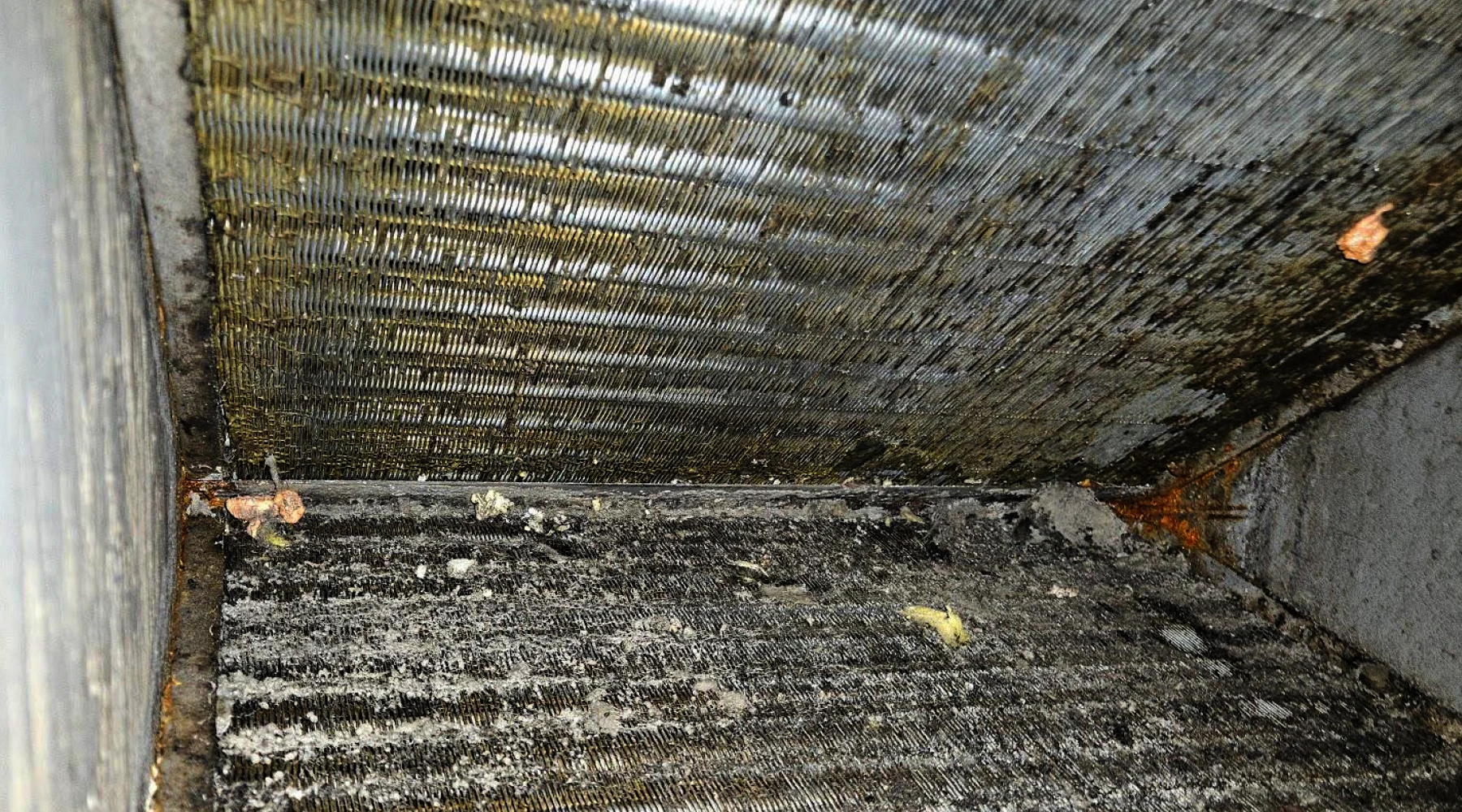
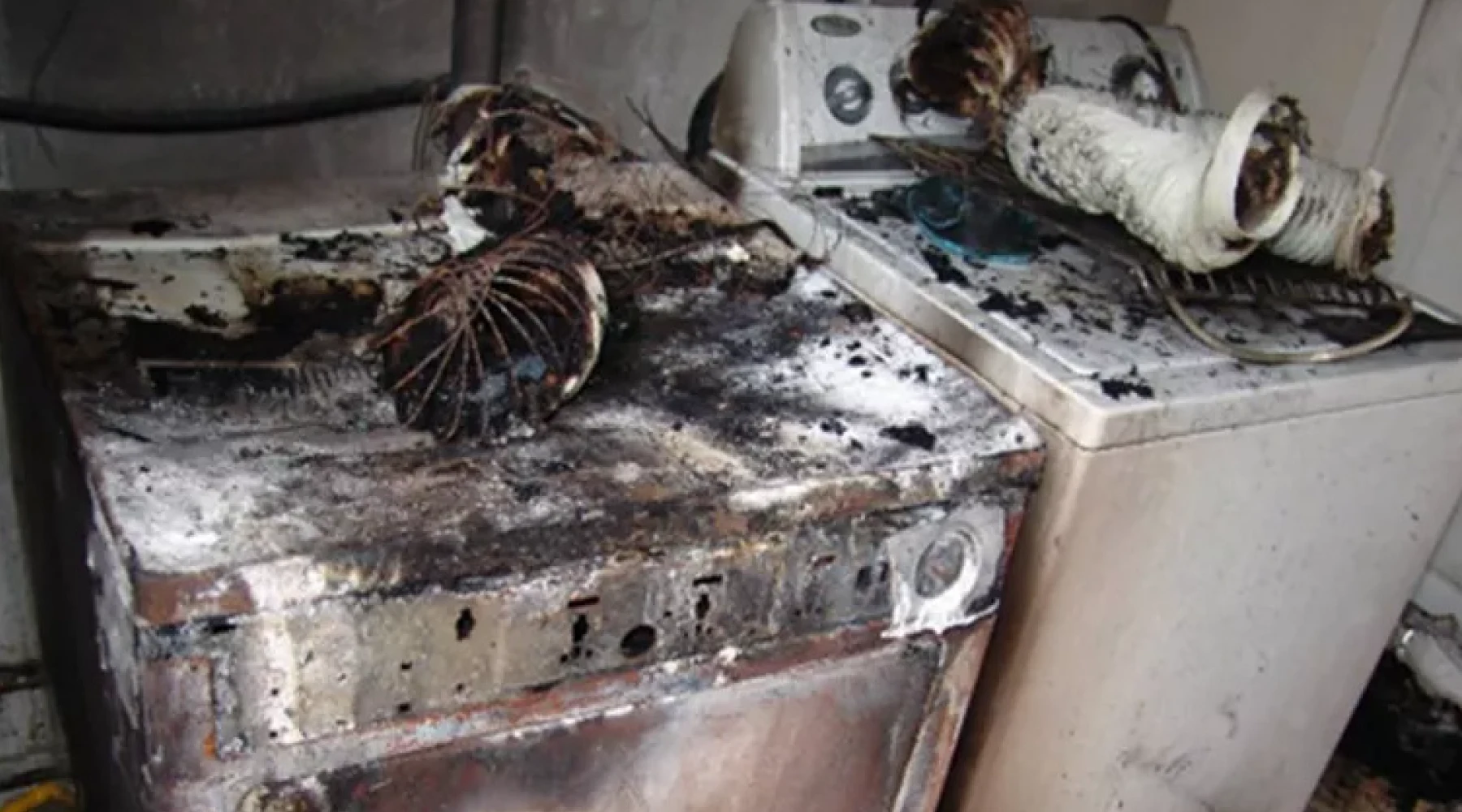
- Equipment Damage and Shorter Lifespan: Dust builds up on coils and moving parts, increasing strain, leading to costly repairs, and shortening the unit’s typical 15-year lifespan.
- Uneven Heating and Cooling: Weak airflow makes it difficult for conditioned air to reach distant rooms, causing noticeable hot and cold spots.
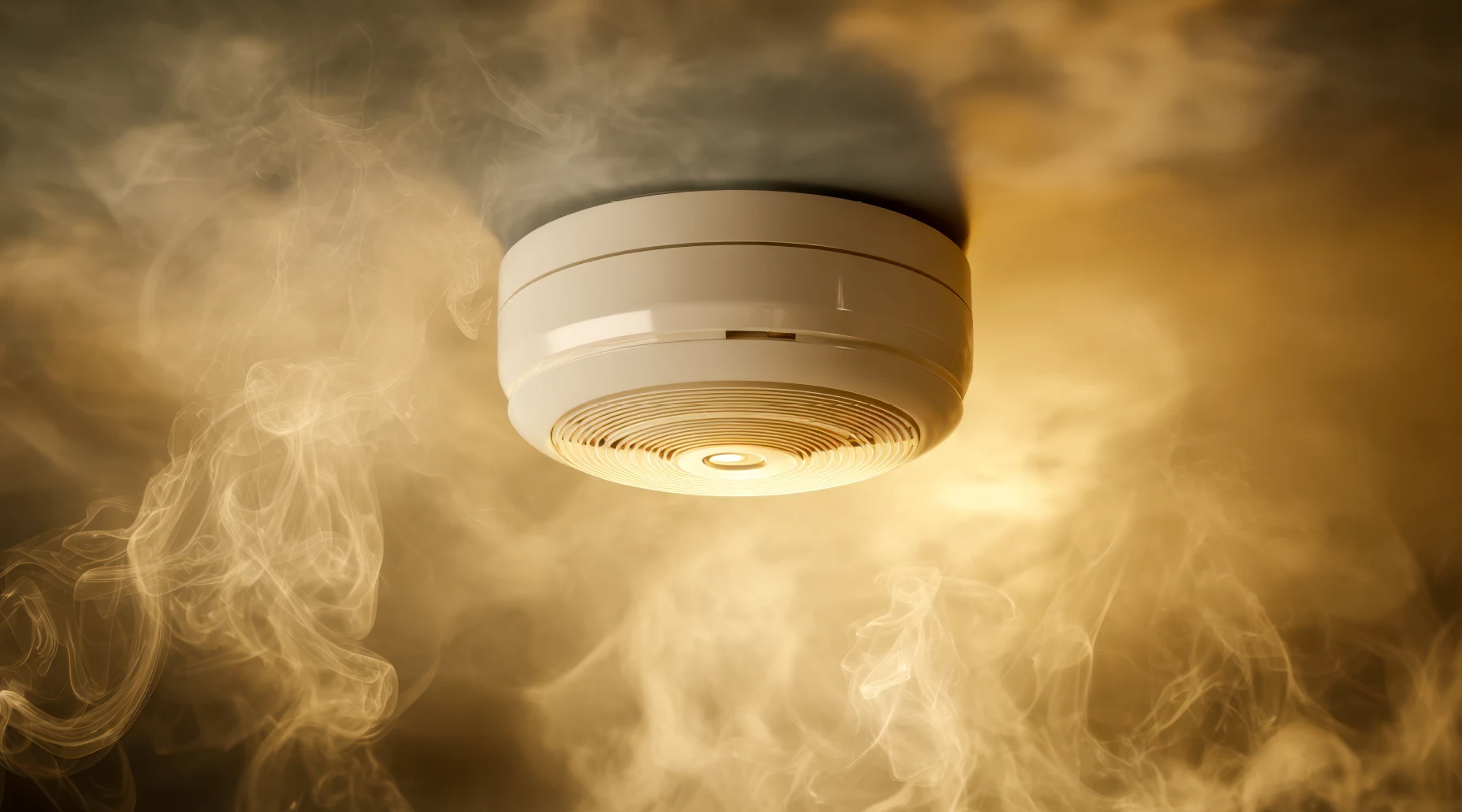
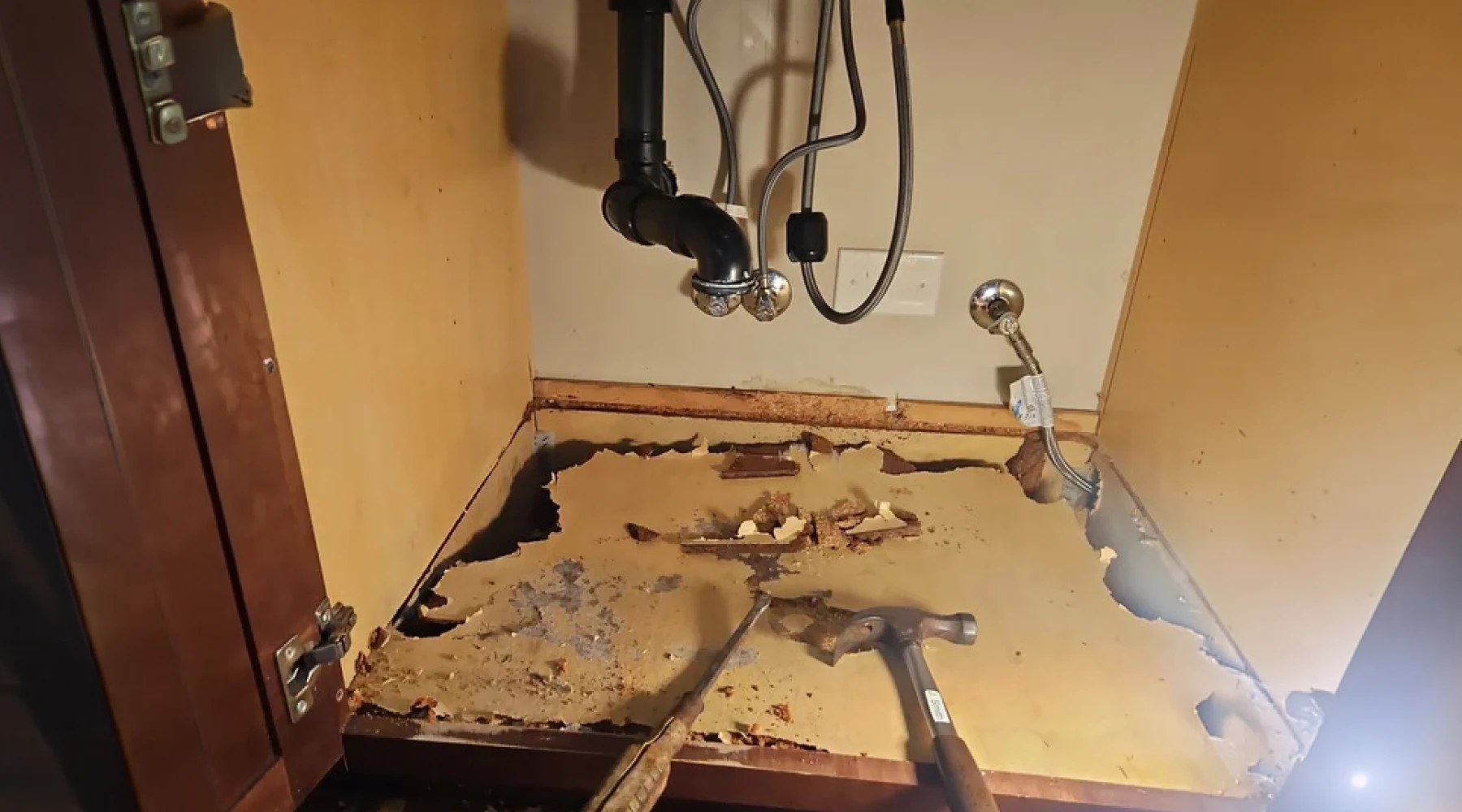
- Stagnant, Dirty Air: Poor circulation traps dust, moisture, odors, and cleaning fumes indoors, increasing the risk of mold growth and stained surfaces.
- Respiratory Irritation and Allergies: Failing filters continuously recirculate dander, dust, and pollutants, which can trigger asthma and other allergy symptoms.
Annual HVAC Maintenance
In addition to replacing filters every 1 to 3 months, schedule an annual professional inspection. A technician can inspect ductwork, lubricate coils and fans, and catch worn components before they cause system failure.