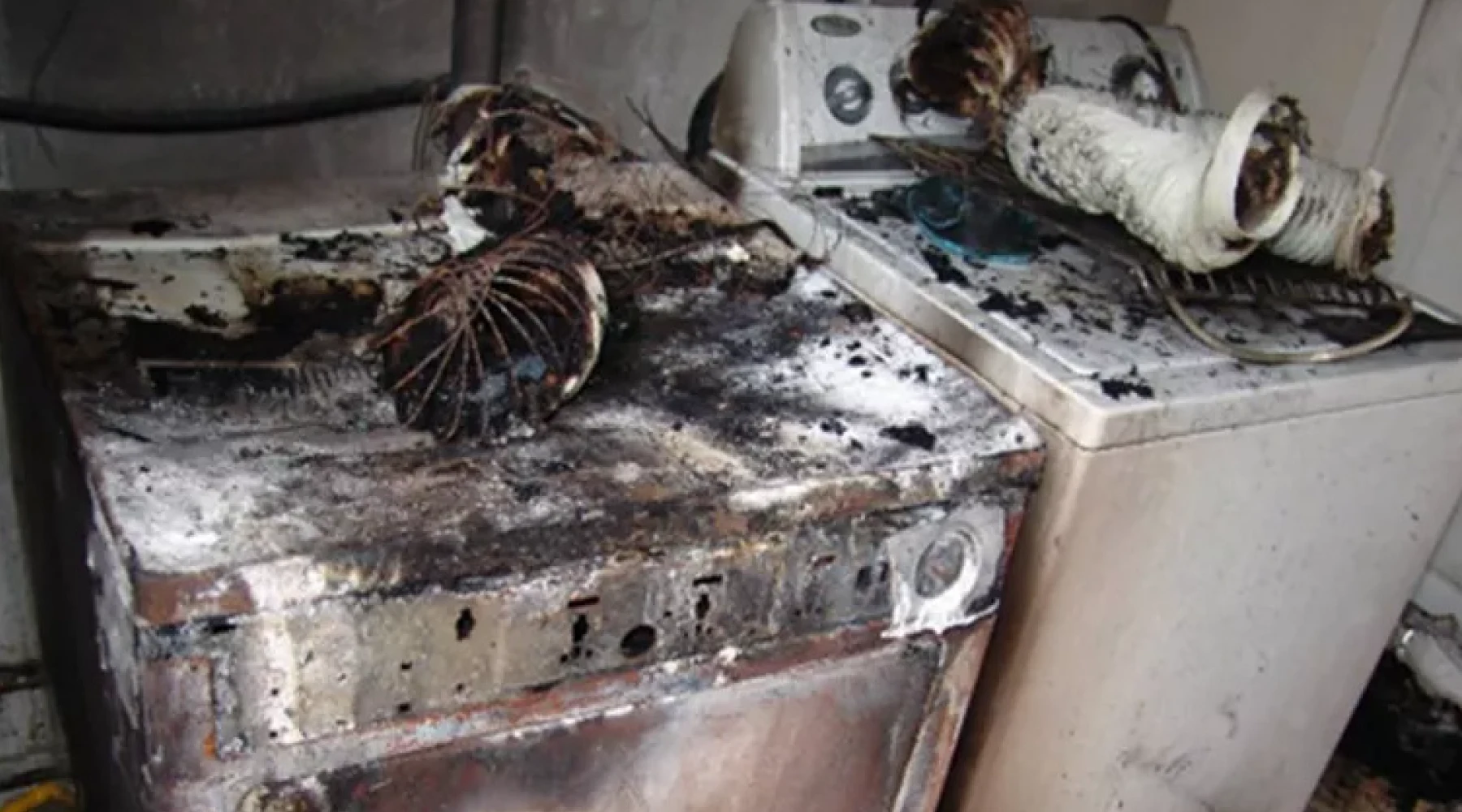
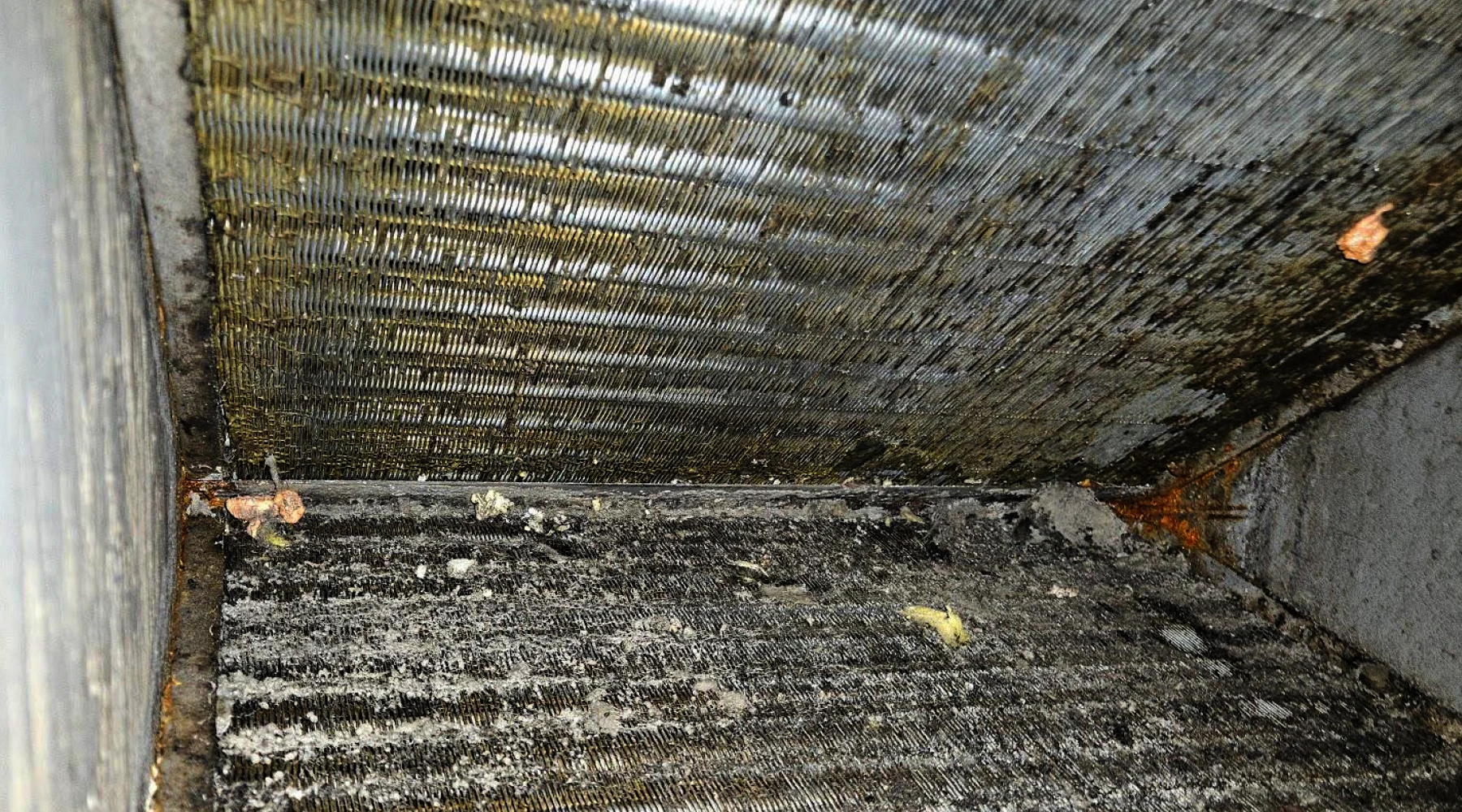
While emptying the lint trap after every cycle is common practice, the lint screen captures only about 70% to 80% of fabric fibers. The remaining fine lint bypasses the filter, accumulating along the exhaust ductwork, transition hose, and exterior termination hood. Left uncleaned, this buildup restricts airflow, strains internal appliance components, and creates a severe residential fire hazard.
Critical Reasons to Clean Dryer Vents
-
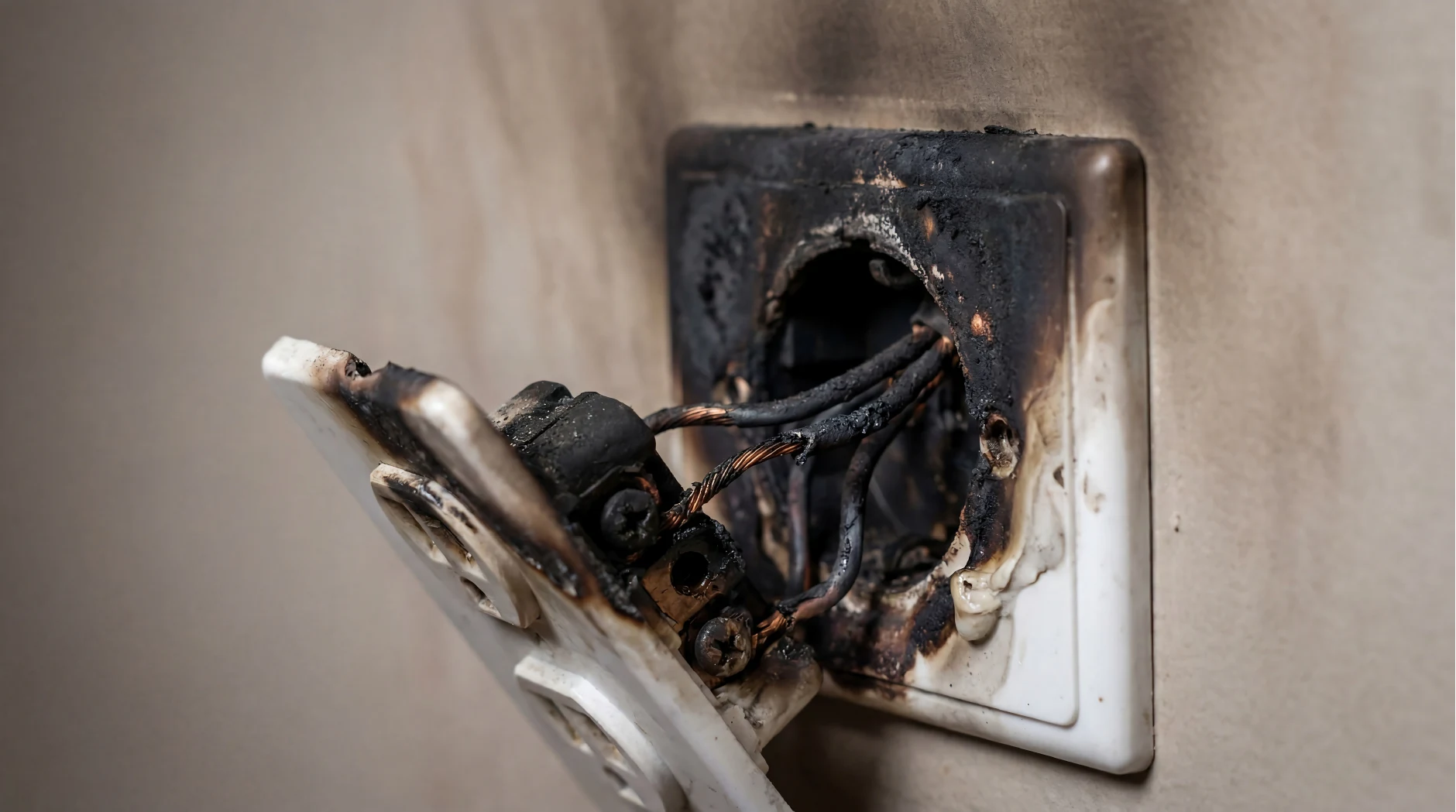
Preventing House Fires: According to the National Fire Protection Association (NFPA), clothes dryers are involved in nearly 14,000 residential fires annually in the U.S., with the leading contributing factor being failure to clean the vent and ductwork. Dry lint is extremely combustible; when airflow is choked, heating elements or gas burners overheat and ignite the trapped fibers.
-
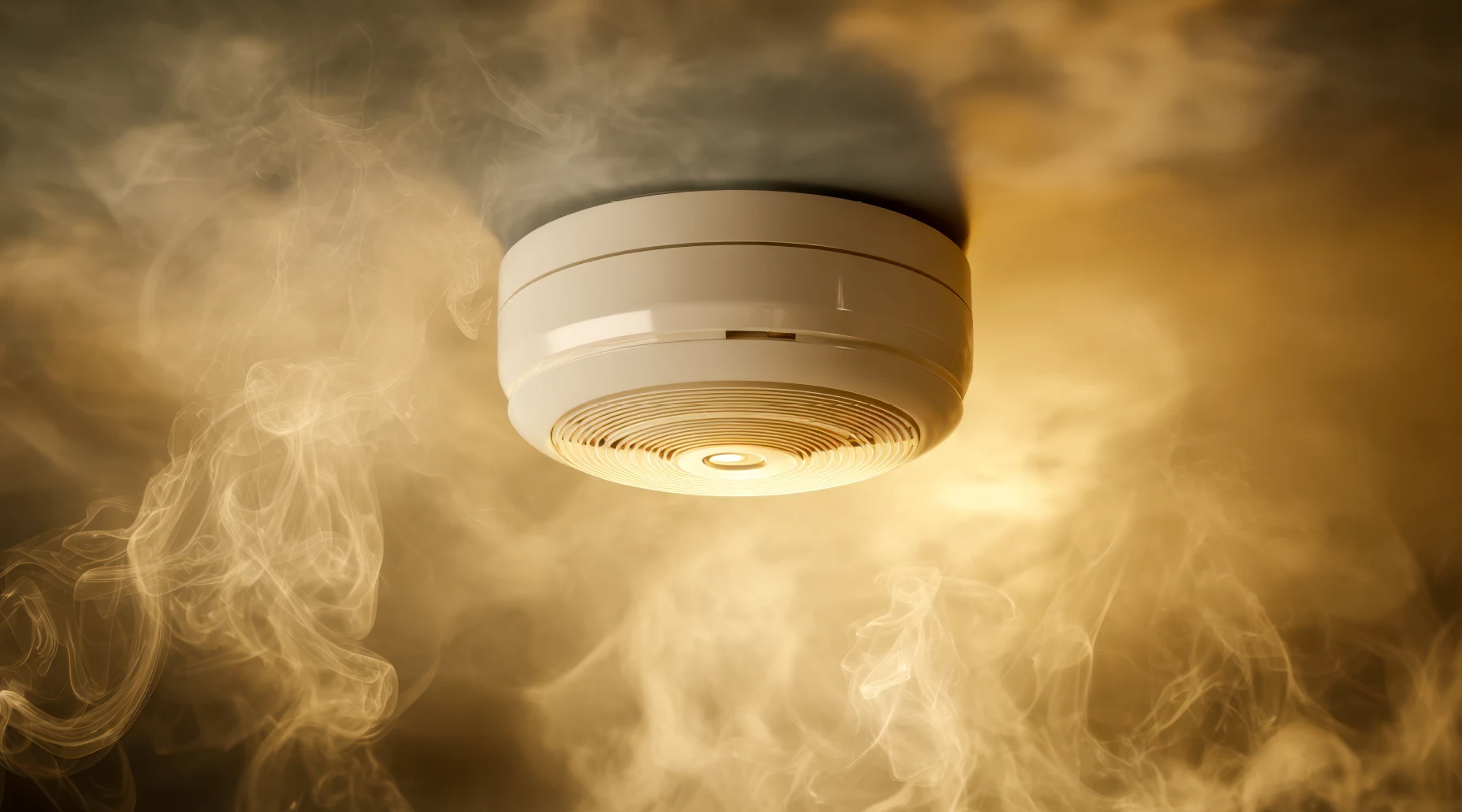
Preventing Carbon Monoxide Poisoning (Gas Dryers): Gas dryers vent toxic combustion byproducts—including carbon monoxide—out of the home through the exhaust line. A blocked duct forces these invisible, odorless fumes back into the laundry room and living areas.
-
Cutting Energy Consumption & Utility Bills: When hot, moist air cannot escape freely, clothes remain damp. Running multiple cycles to dry a single load uses substantial gas or electricity, adding unnecessary cost to monthly utility bills.
-
Extending Appliance Lifespan: Trapped heat and restricted airflow force heating elements, safety fuses, high-limit thermostats, and blower wheel motors to work hotter and longer than engineered. Routine vent clearing prevents premature electronic and mechanical component burnouts.
-
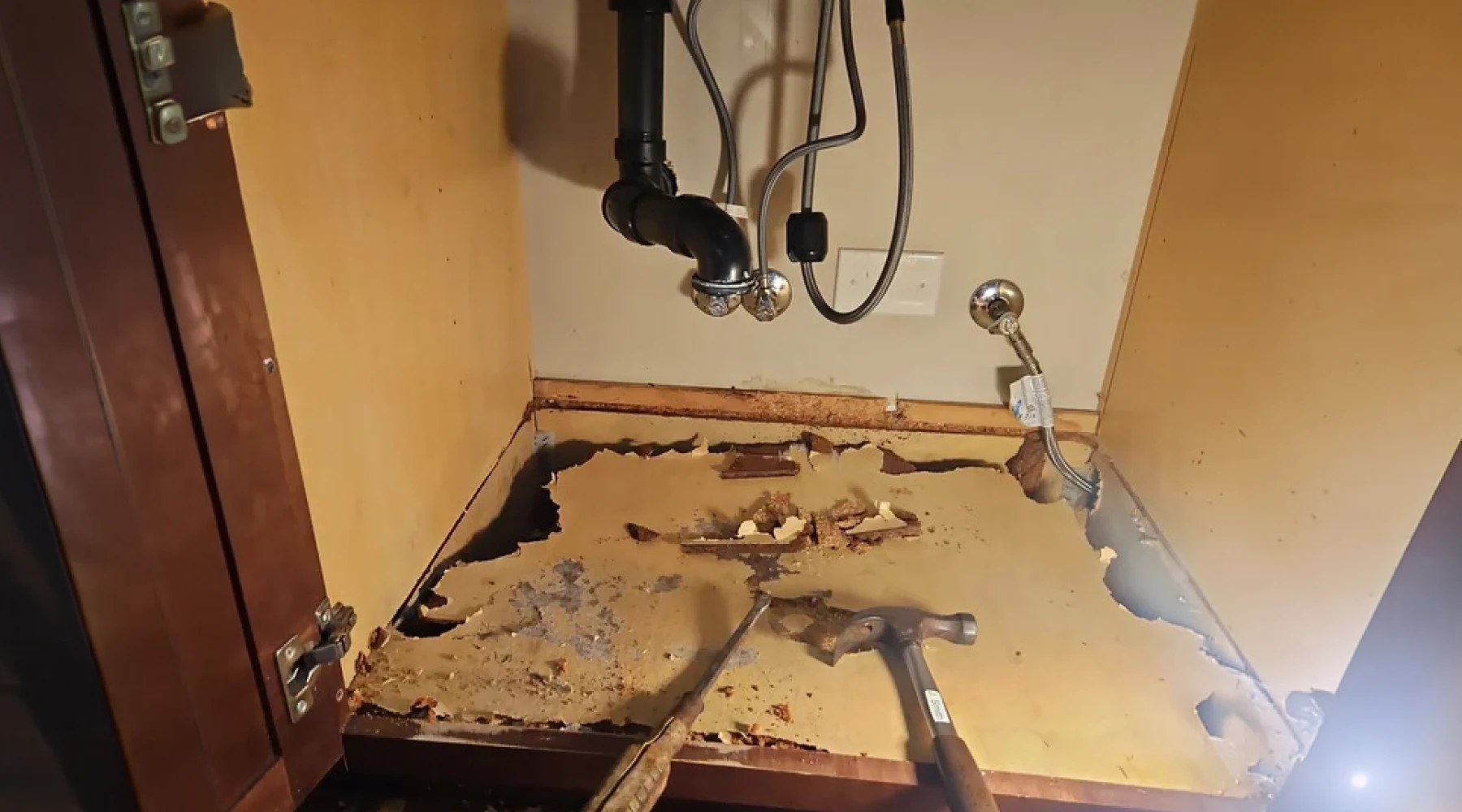
Controlling Indoor Mold & Mildew: Every full load of laundry expels approximately one gallon of water as vapor. If the vent duct leaks or is blocked, that warm moisture condenses inside walls, attics, or behind the dryer, fostering mold growth and rotting drywall.
Clear Indicators of a Clogged Vent
| Warning Sign |
What It Indicates |
Urgency Level |
| Drying Time Exceeds 45–50 Minutes |
Airflow is restricted; moisture cannot exit the drum |
High |
| Appliance or Clothes Unusually Hot to Touch |
Heat is trapped inside the cabinet instead of venting |
Critical |
| Burning Odor During Operation |
Lint in the heater box or duct is actively scorching |
Critical (Stop use immediately) |
| Exterior Damper Flap Stays Closed |
Insufficient exhaust pressure to push open the exterior vent hood flap |
High |
| No Lint on Screen / Lint Around Door Seal |
Backpressure is preventing lint from reaching the filter screen |
Moderate |
| Laundry Room Is Humid and Overheated |
Exhaust air is leaking into the home due to a line blockage |
High |