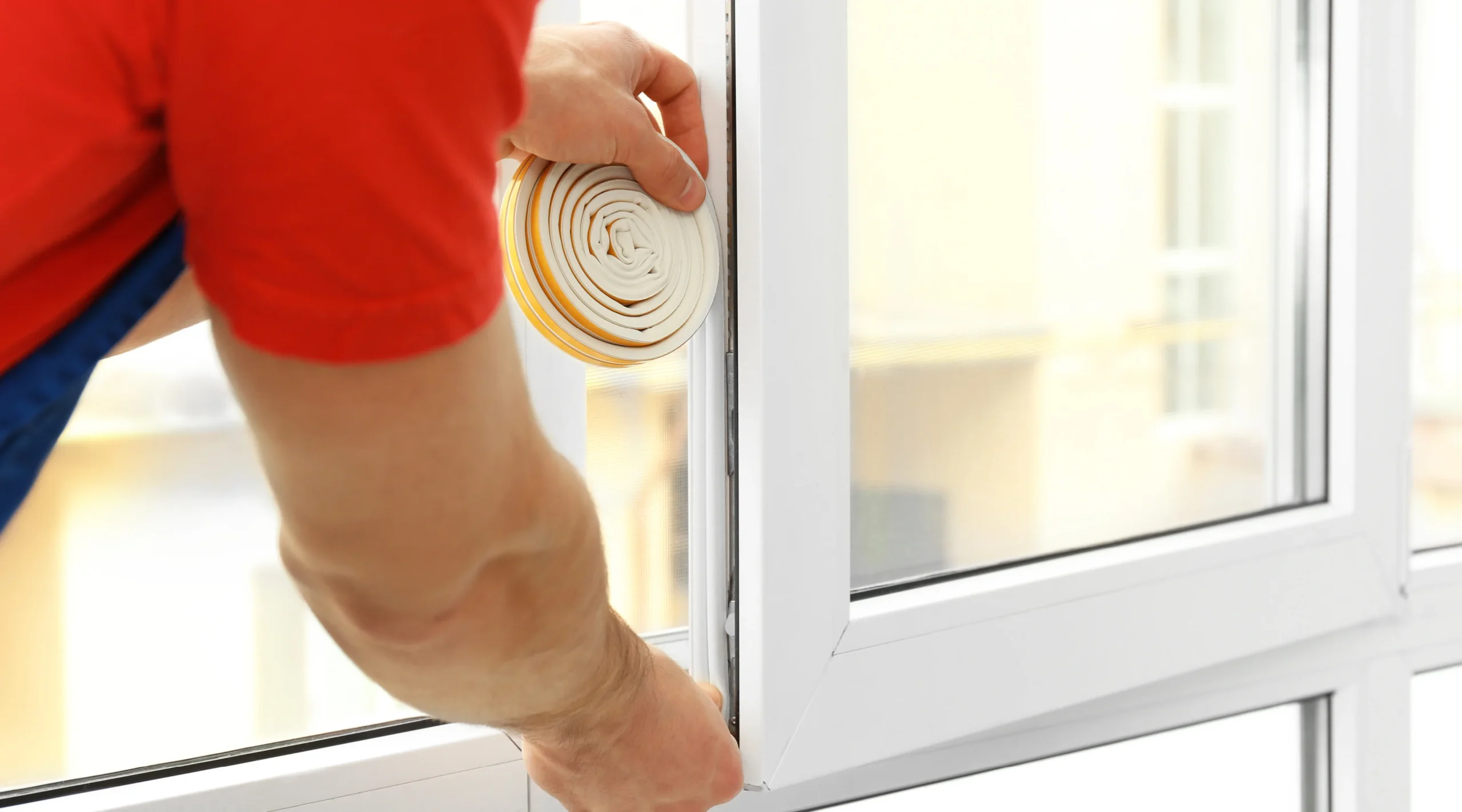
Windows and doors represent the primary transition points between a home’s conditioned interior and the outdoors. Over time, seasonal temperature swings, foundation settling, and sunlight degrade the flexible sealant around these openings. Performing regular caulking touchups is one of the most cost-effective maintenance tasks a homeowner can undertake to protect structural integrity, energy efficiency, and indoor comfort.
Lower Heating and Cooling Costs
Small gaps around door frames and window sills allow conditioned air to escape and unconditioned outdoor air to infiltrate. According to the U.S. Department of Energy, air leaks can account for 10% to 20% of a home’s heating and cooling energy loss. Sealing cracked or separated caulk eliminates drafts, reducing the workload on your HVAC system and lowering utility bills.
Moisture and Rot Prevention
Exterior water penetration is a leading cause of costly structural repairs. When exterior caulk cracks or peels:
-
Rain and melting snow seep behind window casings and exterior siding.
-
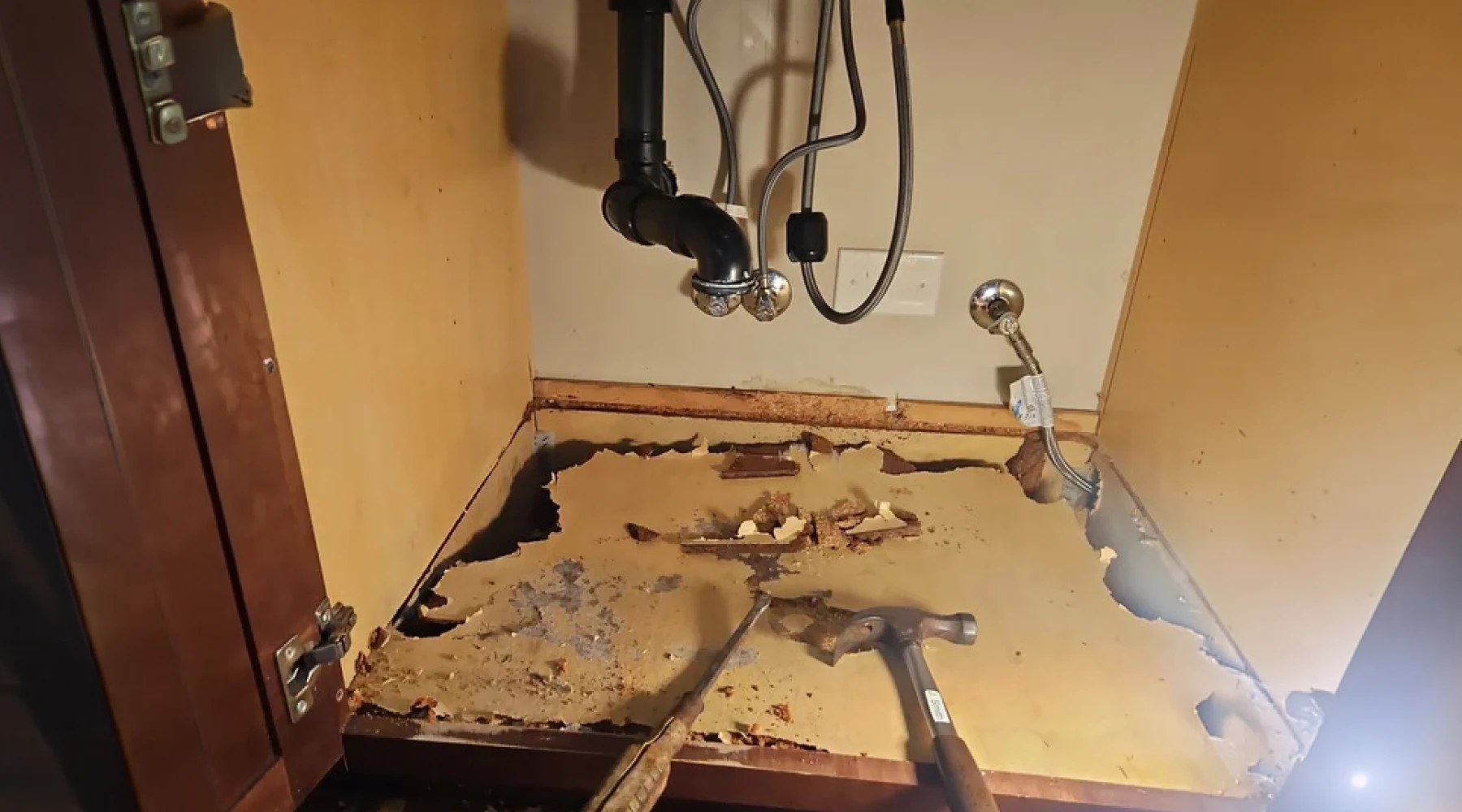
Trapped moisture causes wood frames, studs, and sill plates to rot.
-
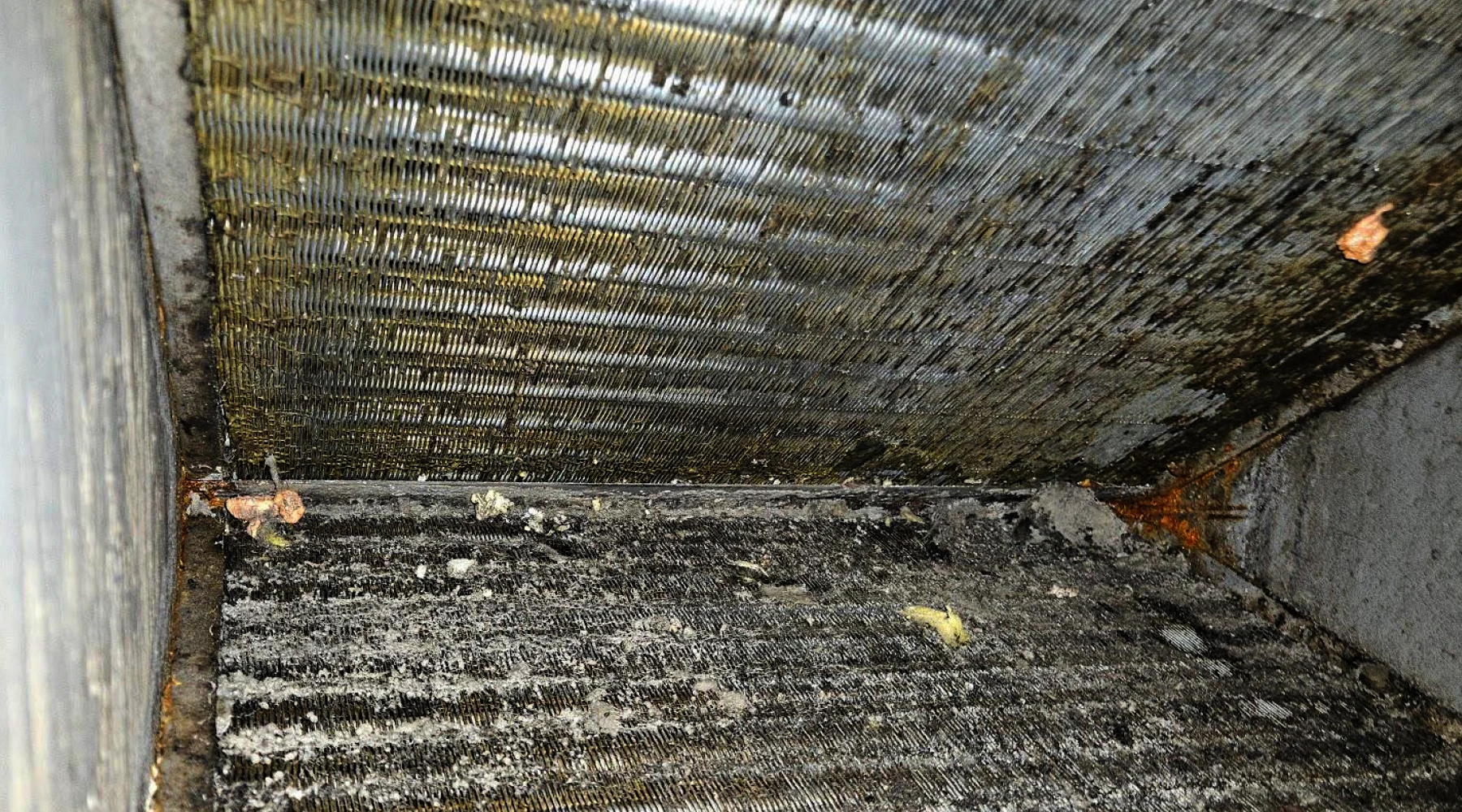
Hidden dampness fosters mold and mildew growth within wall cavities, damaging drywall and degrading indoor air quality.
A fresh bead of exterior-grade sealant creates a watertight barrier that directs moisture away from the building envelope.
Pest and Insect Defense
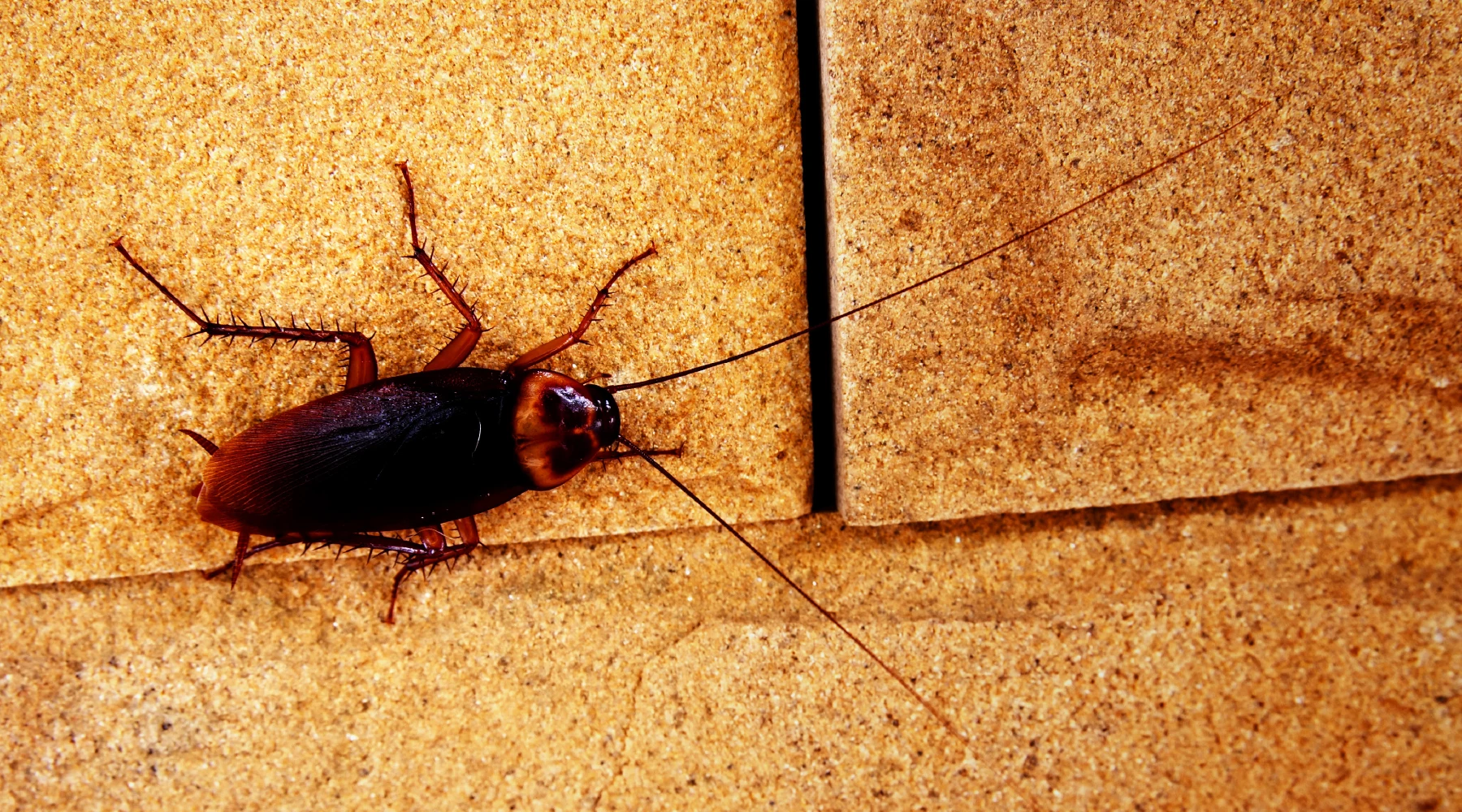
Ants, spiders, termites, and other pests require only minute openings to enter living spaces. Caulking hairline cracks around entry doors, basement windows, and trim closes common entry corridors, reducing the need for chemical pest control treatments inside the home.
Enhanced Acoustic Insulation and Curb Appeal
A tight seal around openings dampens external street noise, creating a quieter living environment. Additionally, repairing brittle, yellowed, or peeling caulk with clean, paintable lines instantly refreshes the visual finish of interior trim and exterior siding.