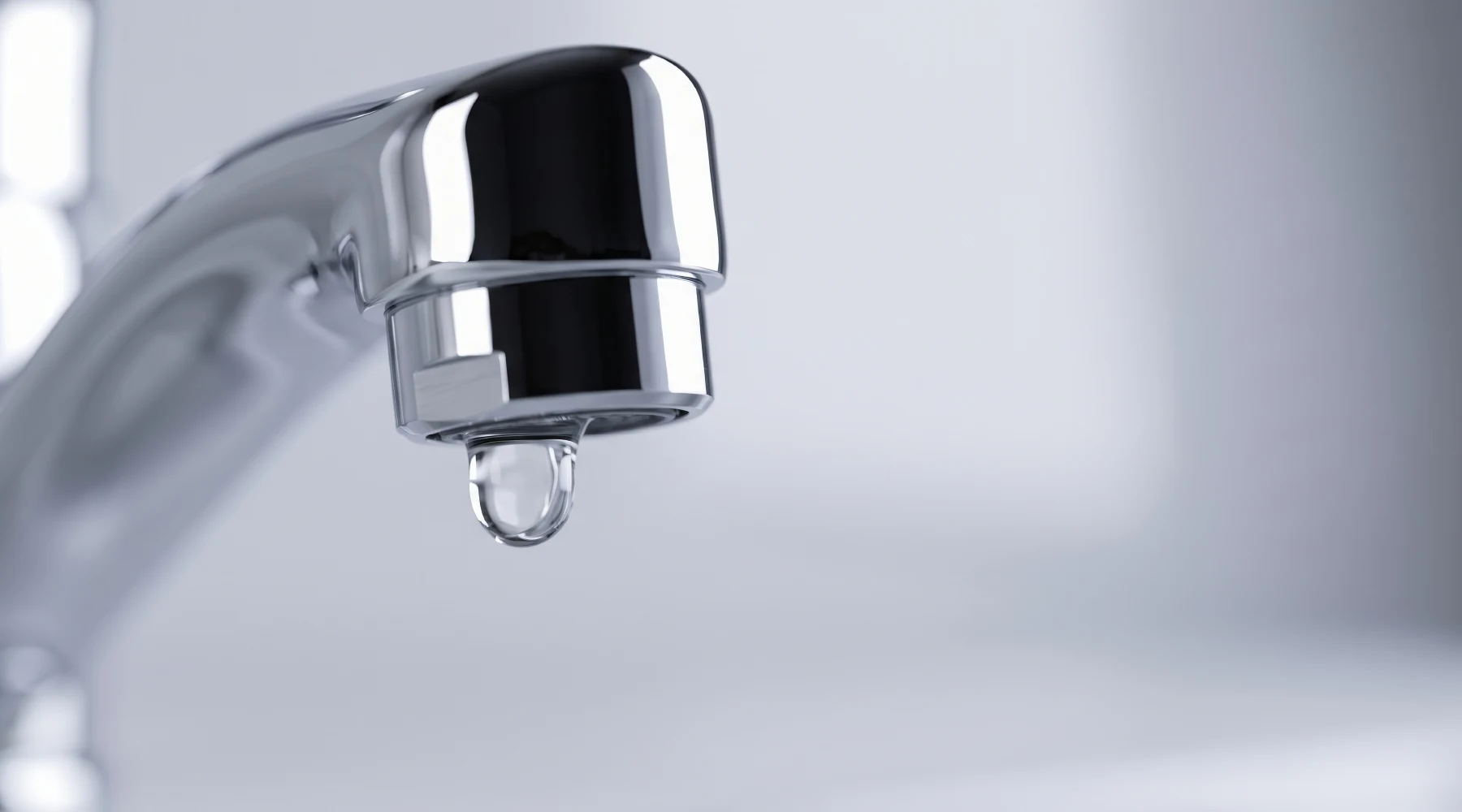
Because the space beneath kitchen and bathroom sinks is hidden behind closed doors and cluttered with cleaning supplies, plumbing leaks often go undetected for weeks or months. Whether caused by a corroded P-trap, a loose supply line, or a failing garbage disposal seal, even a slow, intermittent drip can trigger cascading structural damage, health risks, and costly repairs.
Cabinet Degradation and Structural Weakening
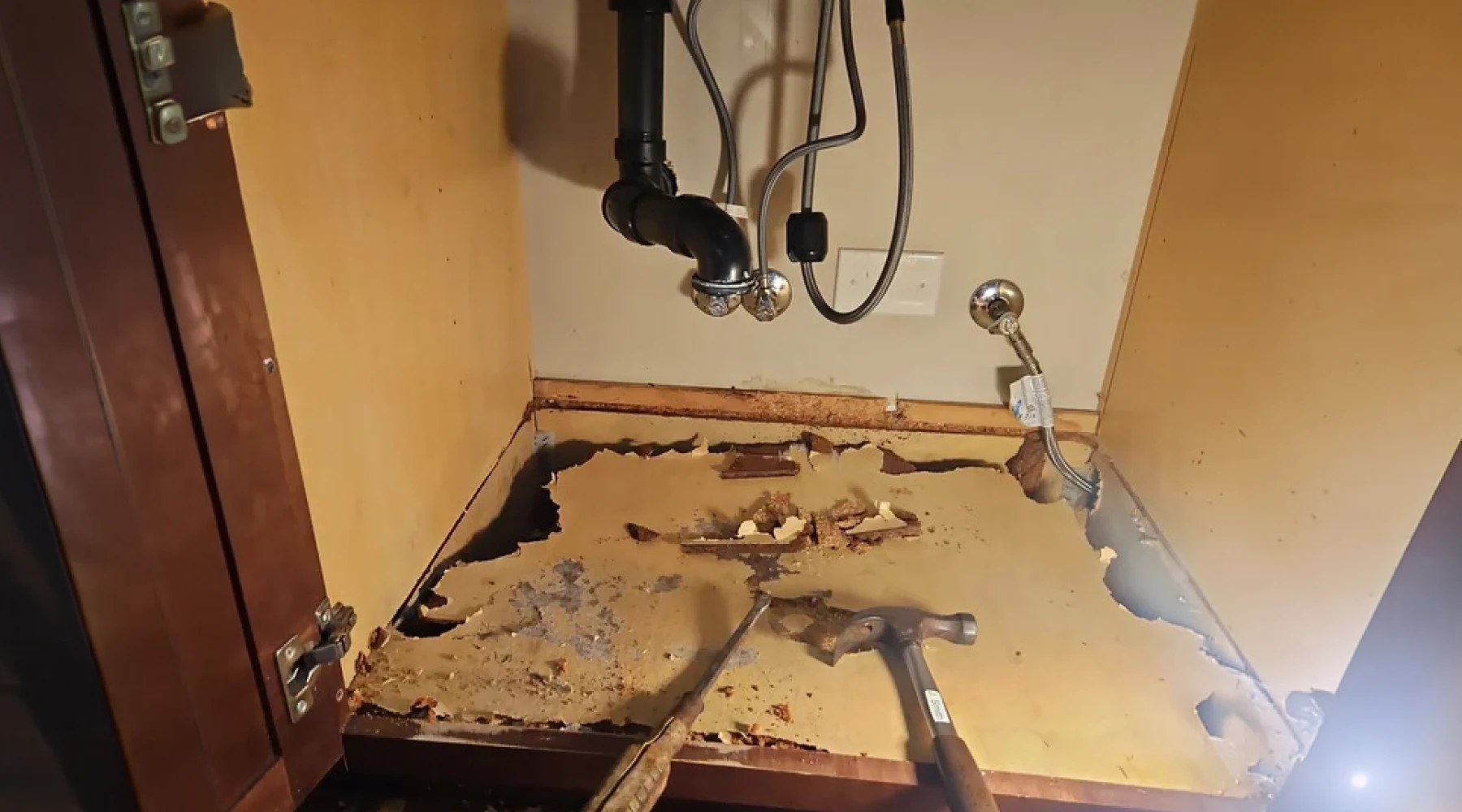
Most modern vanity and kitchen base cabinets are constructed from particle board, medium-density fiberboard (MDF), or plywood. When exposed to persistent moisture:
-
Swelling and Delamination: Engineered woods act like sponges, absorbing water and swelling irreversibly. Laminate veneers bubble, peel, and separate.
-
Cabinet Floor Sagging: As the cabinet base loses structural integrity, it sags and breaks under the weight of stored items or heavy garbage disposals.
-
Costly Box Replacements: Replacing a single damaged cabinet box often requires removing the countertop, sink, and adjacent cabinetry.
Subfloor and Flooring Failure
Water rarely stays confined to the cabinet bottom. It seeps through pipe cutouts, around baseboards, and along the cabinet perimeter down to the subfloor. Over time, moisture rots the wooden subflooring and floor joists underneath. Hardwood boards warp and cup, laminate floors buckle, and tile grout cracks as the foundation beneath becomes spongy.
Mold and Mildew Colonization
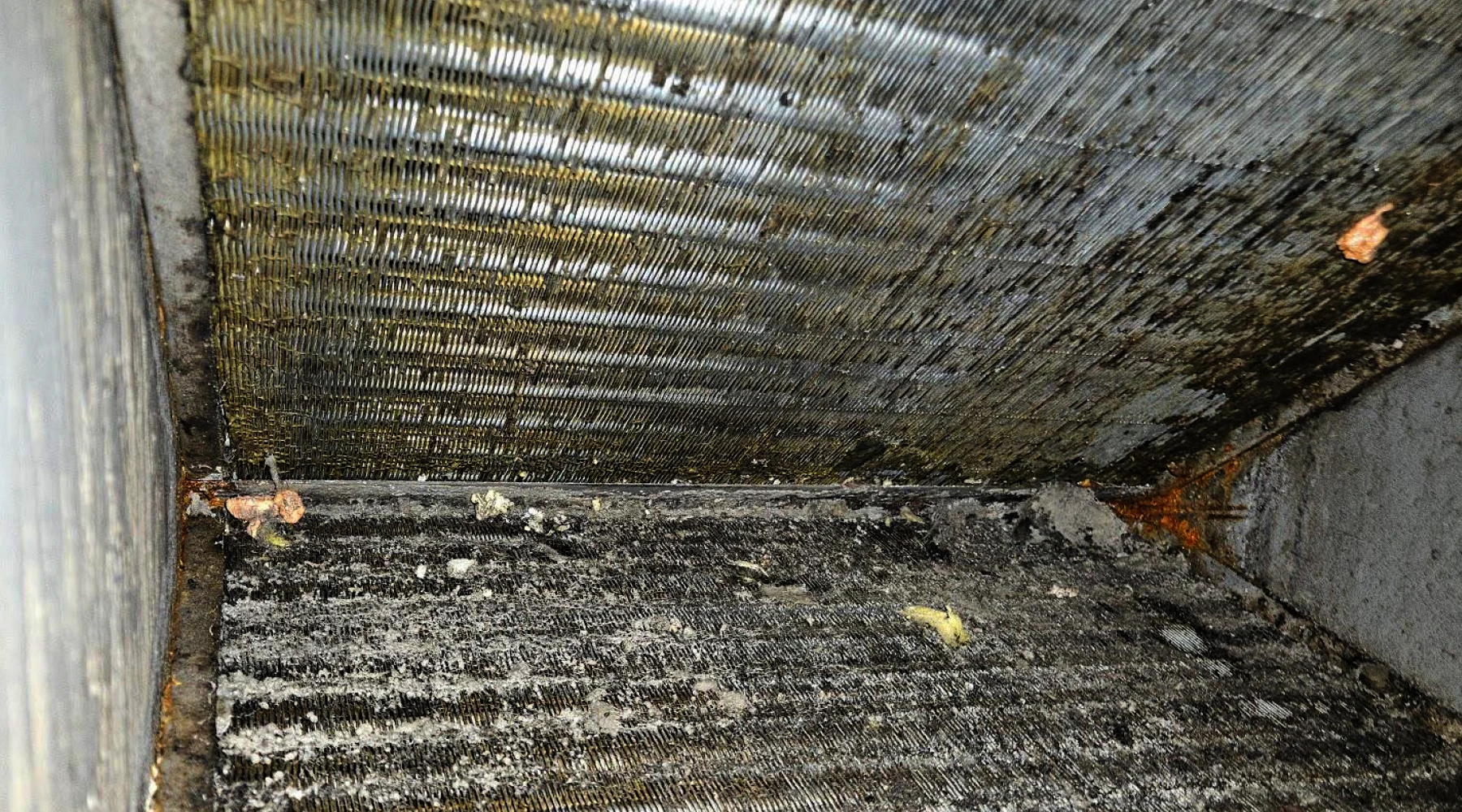
Dark, unventilated under-sink enclosures provide an ideal environment for mold spores to propagate. Mold can begin growing on damp porous surfaces within 24 to 48 hours. Left unchecked, mold colonies:
-
Release airborne spores and mycotoxins that trigger respiratory issues, allergies, and asthma attacks.
-
Spread into adjacent wall cavities, insulation, and framing.
-
Require professional environmental remediation to safely remove.
Electrical Hazards and Pest Infestations
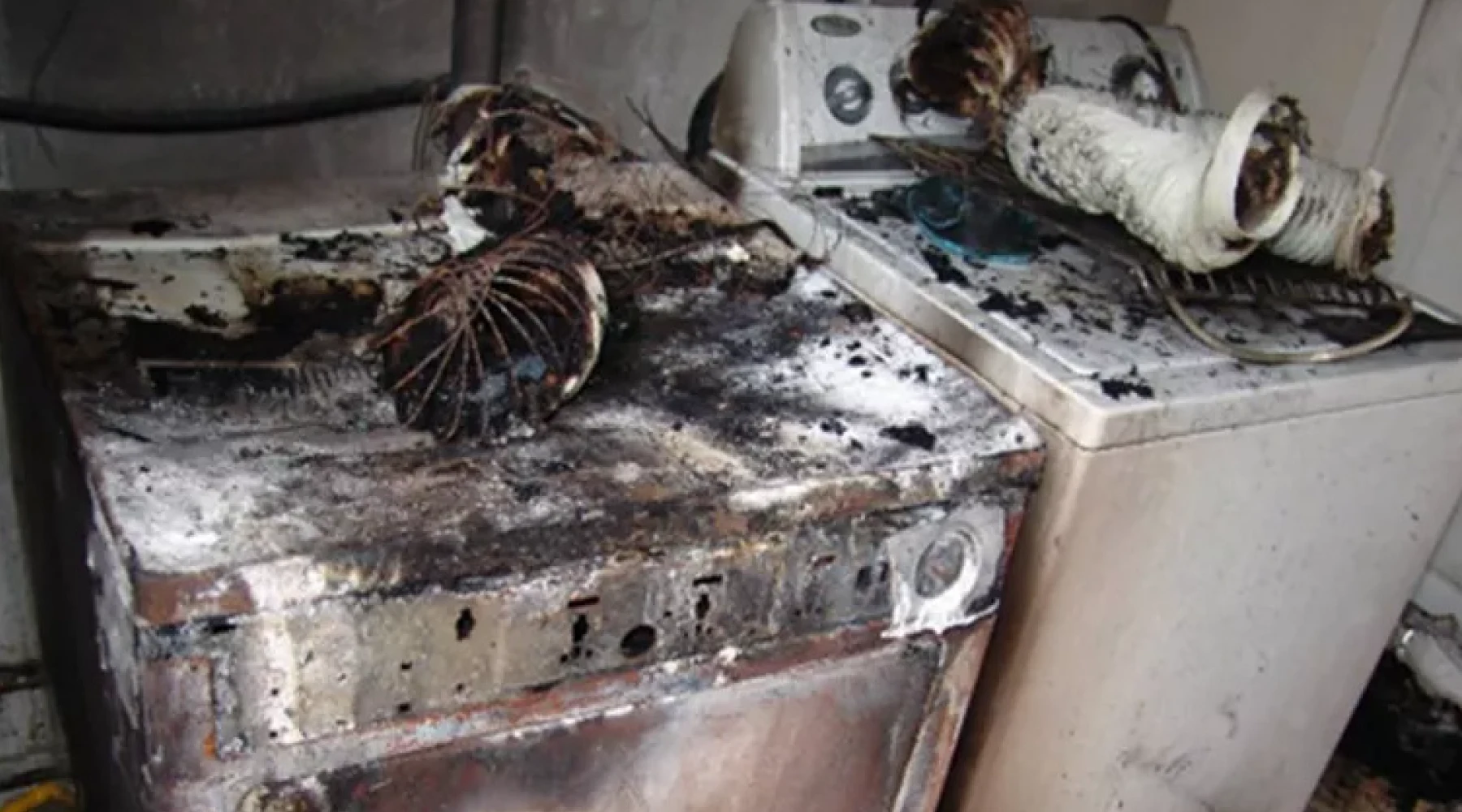
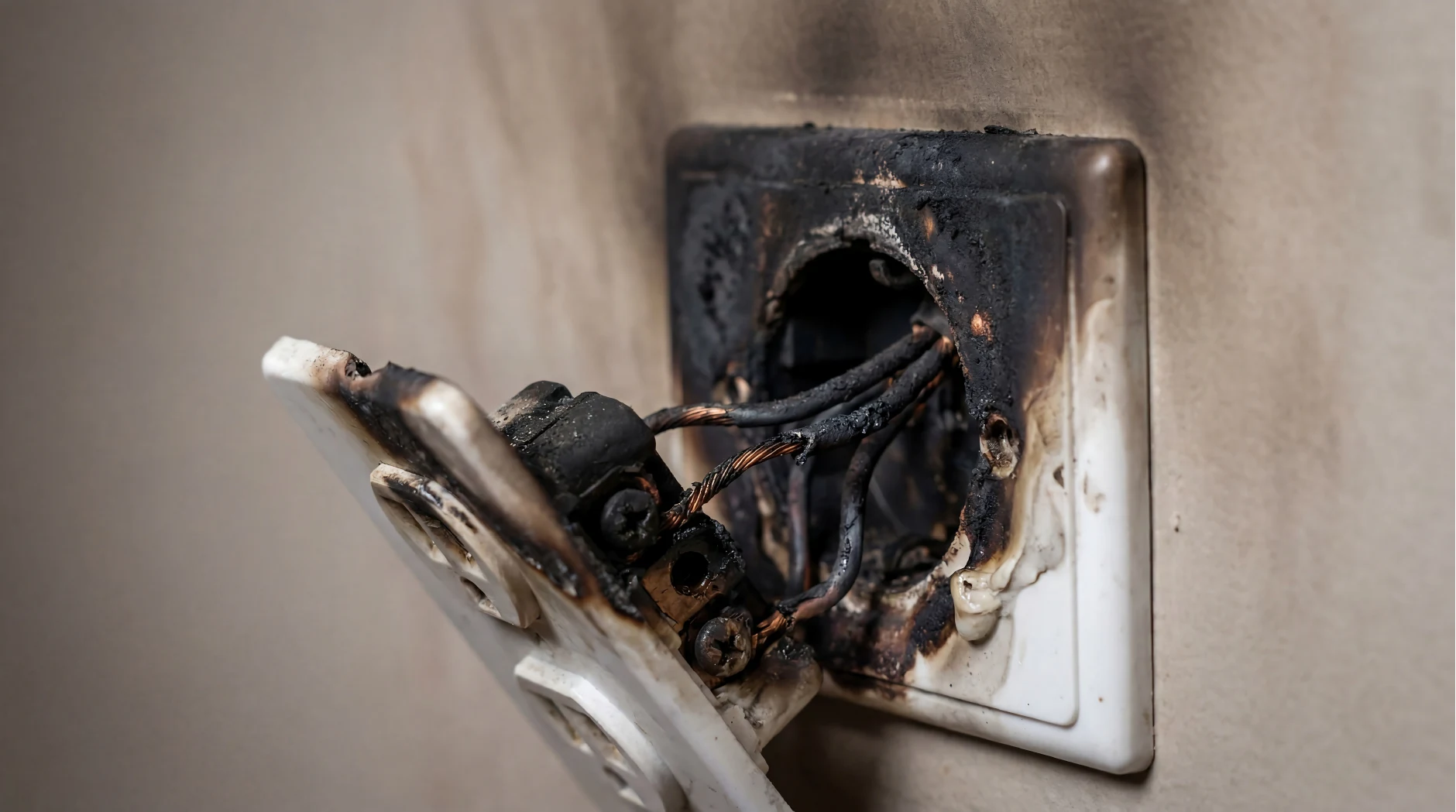
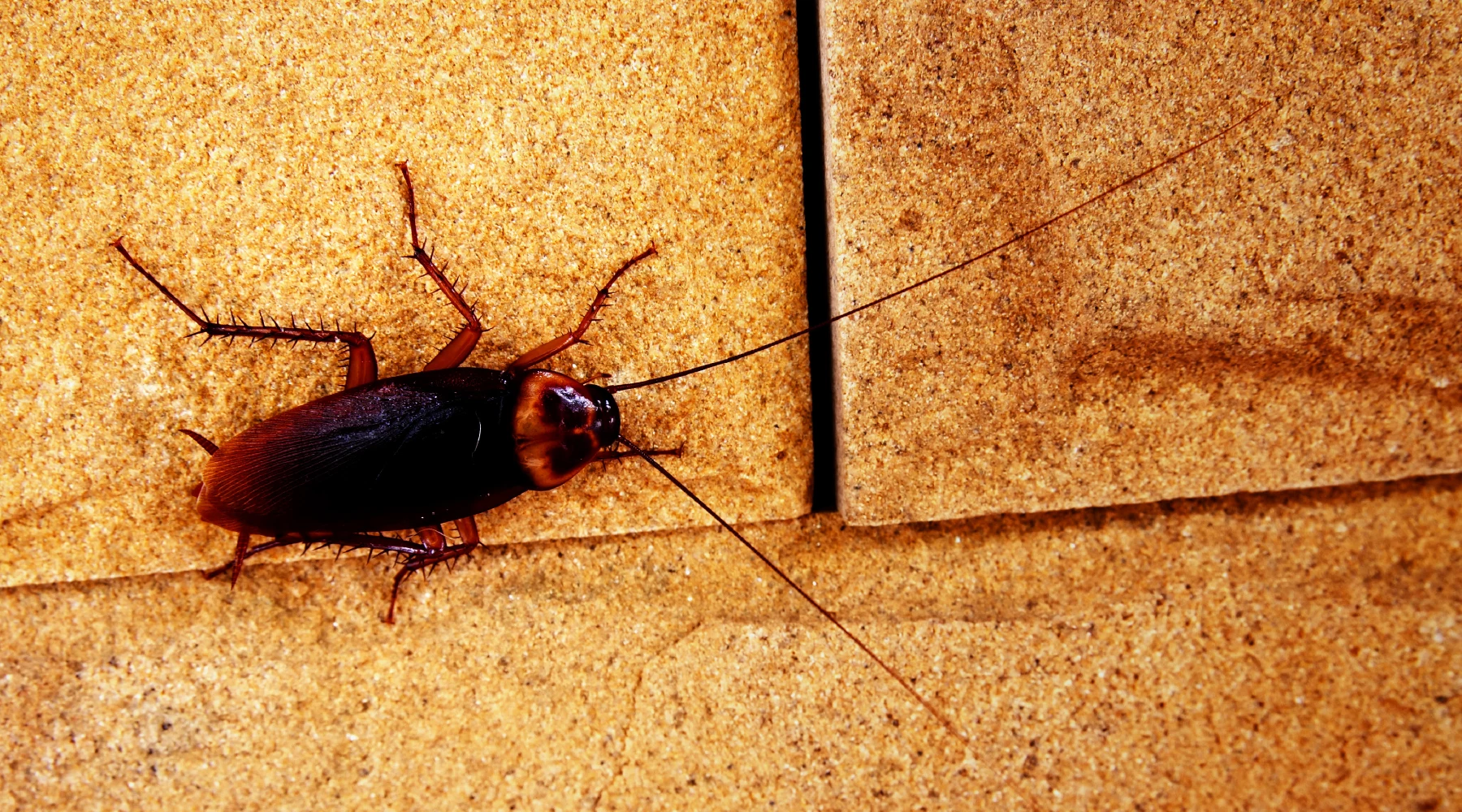
Kitchen sinks frequently share under-cabinet space with electrical outlets for dishwashers and garbage disposals. Water dripping onto electrical connections creates immediate fire and electrocution hazards. Furthermore, damp wood and standing water attract destructive pests, including carpenter ants, silverfish, cockroaches, and mice.
How to Prevent and Catch Under-Sink Leaks Early
-
Inspect Monthly: Clear out storage items once a month to inspect the P-trap, shut-off valves, and flexible supply lines for moisture, mineral crusting, or rust.
-
Install a Water Leak Sensor: Place an inexpensive smart water leak detector or battery-operated water alarm on the cabinet floor to receive instant alerts at the first sign of moisture.
-
Use Silicone Cabinet Mats: Line the base of the cabinet with a waterproof, lipped silicone under-sink mat to contain accidental drips before they penetrate the wood.