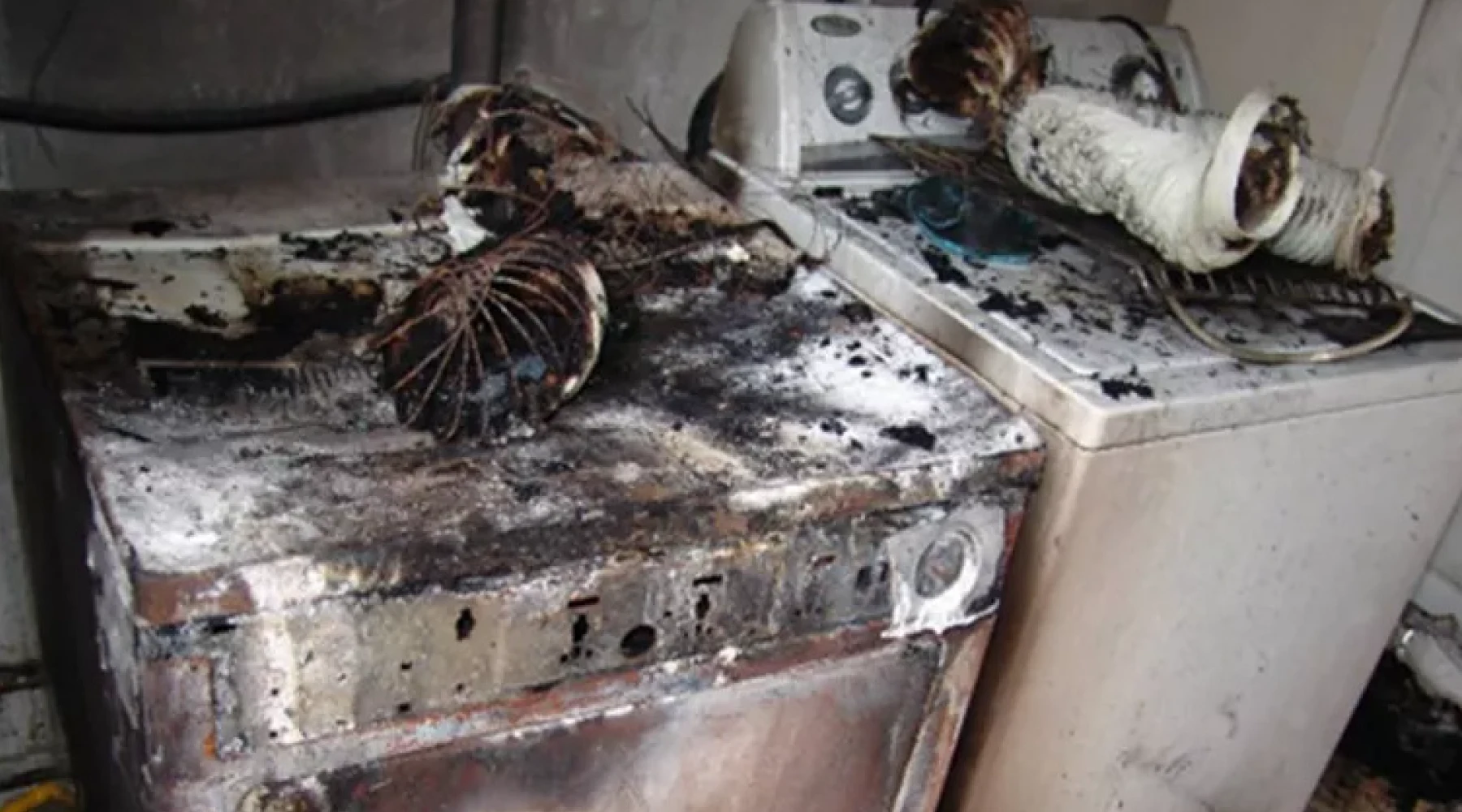
Electrical outlets and wall switches are the most frequently used components of a home’s electrical system. Because they are hidden behind faceplates and drywalls, developing faults often go unnoticed until symptoms escalate into serious safety hazards. Damaged, loose, or overloaded switches and receptacles are among the leading causes of residential electrical fires and shock injuries.
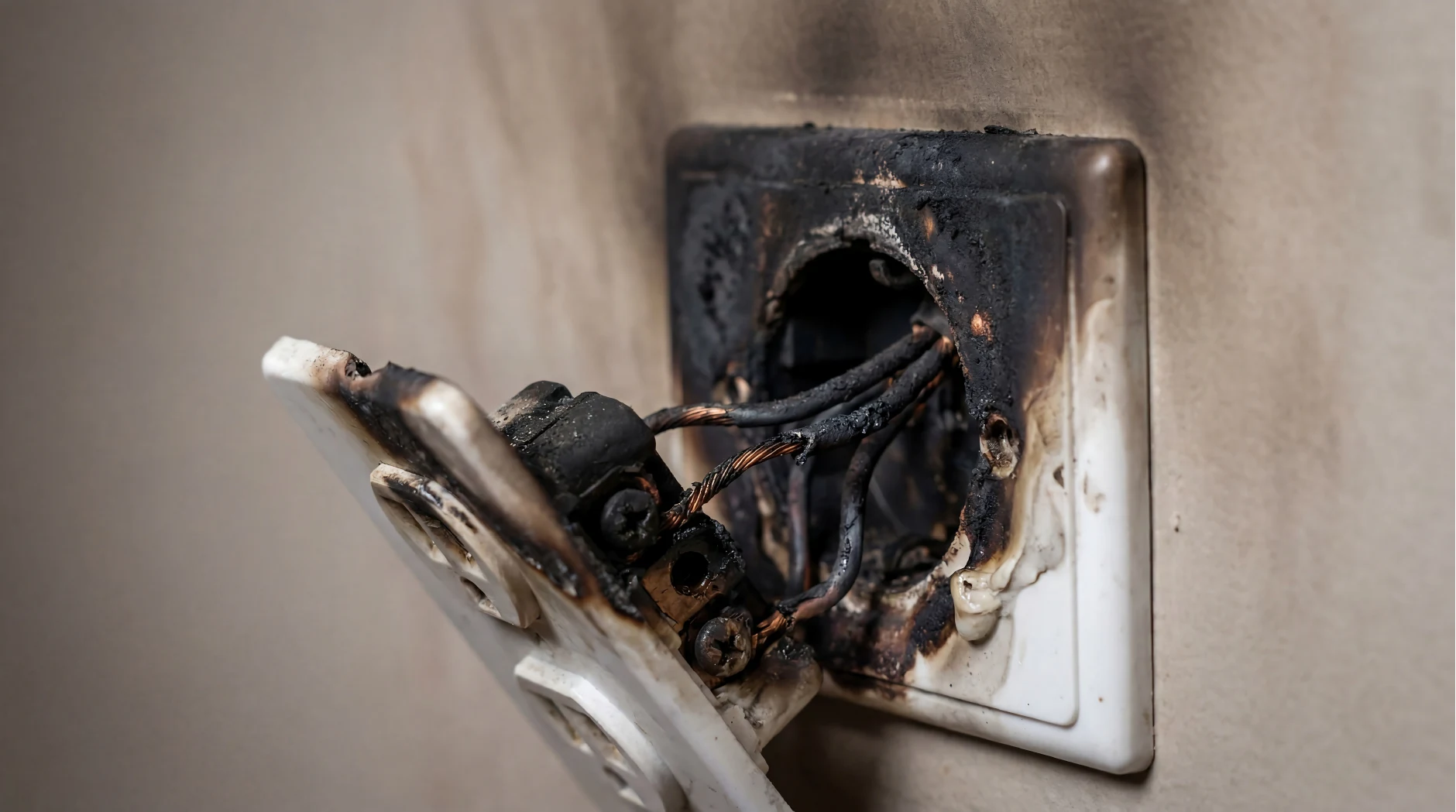
Electrical Fires from Arc Faults: When terminal screws loosen or internal contacts wear out, electrical current can jump through the air gap between conductors—a phenomenon known as arcing. Arcs generate temperatures exceeding 5,500°C (10,000°F), easily igniting surrounding insulation, wooden wall studs, and drywall paper.
Severe Shock and Electrocution: Cracked cover plates, missing ground connections, or broken internal toggles expose live wiring. Touching a damaged switch or plugging a cord into a broken receptacle can divert current directly through the human body.
Electronics & Appliance Damage: Loose internal metal contacts cause intermittent voltage fluctuations and micro-surges. This irregular current flow can degrade sensitive power supplies in computers, televisions, and kitchen appliances.
Thermal Expansion & Progressive Deterioration: High electrical resistance creates heat. As loose connections heat up and cool down under load, the metal terminals expand and contract, loosening the wiring even further in a compounding cycle of failure
| Symptom | Underlying Cause | Hazard Level | Immediate Action |
| Warm or Hot Faceplate | Circuit overload, excessive resistance, or loose wiring | High | Unplug all devices, turn off breaker, replace unit |
| Discoloration / Scorch Marks | Active arcing, short circuit, or heat buildup | Critical | Shut off breaker immediately; do not use |
| Buzzing, Sizzling, or Popping | Current jumping across loose contacts | Critical | Cut power at the electrical panel; call an electrician |
| Loose Plugs Falling Out | Worn internal tension clips | Moderate | Replace receptacle to avoid arcing and overheating |
| Flickering Lights on Switch | Worn switch contact points or loose wire nuts | Moderate / High | Inspect wiring; replace the switch mechanism |
| Burning Plastic / Fishy Odor | Melting polymer casing or wire insulation | Critical | De-energize circuit immediately; inspect junction box |

Backstabbed Connections: Many builders push wires into quick-connect spring terminals on the back of devices rather than wrapping them around screw terminals. Over years of thermal cycling, these spring clips lose tension and create high-resistance connection points.
Mechanical Wear: Standard receptacles rely on spring-metal blades to grip plug prongs. Thousands of insertion cycles stretch these blades open, reducing contact surface area and concentrating electrical heat.
Aluminum Wiring Incompatibility: Homes built in the late 1960s to mid-1970s often feature aluminum wiring. Connecting standard copper-only switches and outlets to aluminum causes rapid galvanic corrosion and dangerous expansion gaps unless rated CO/ALR devices or proper alumiconn pigtails are used.
Missing Ground-Fault Protection: Standard outlets located near sinks, outdoors, or in garages without GFCI (Ground Fault Circuit Interrupter) protection fail to cut power if moisture causes a ground leak, significantly raising electrocution risks.