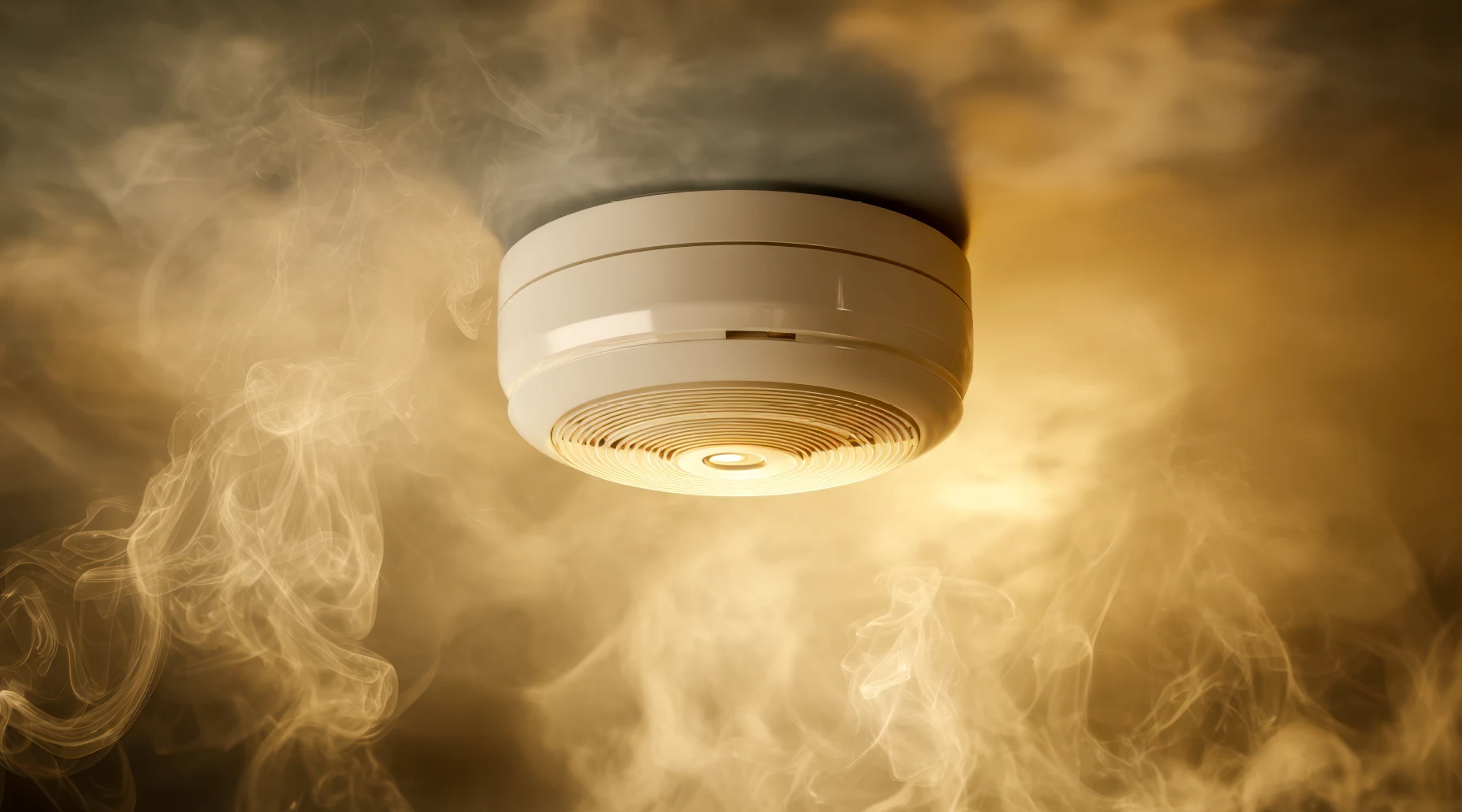
Working smoke alarms cut the risk of dying in a home fire nearly in half, yet thousands of house fires each year involve alarms that failed to operate. Simply mounting a detector to the ceiling does not guarantee safety—routine testing is the only way to ensure the device will alert you when seconds matter most.
Early Warning When Seconds Count
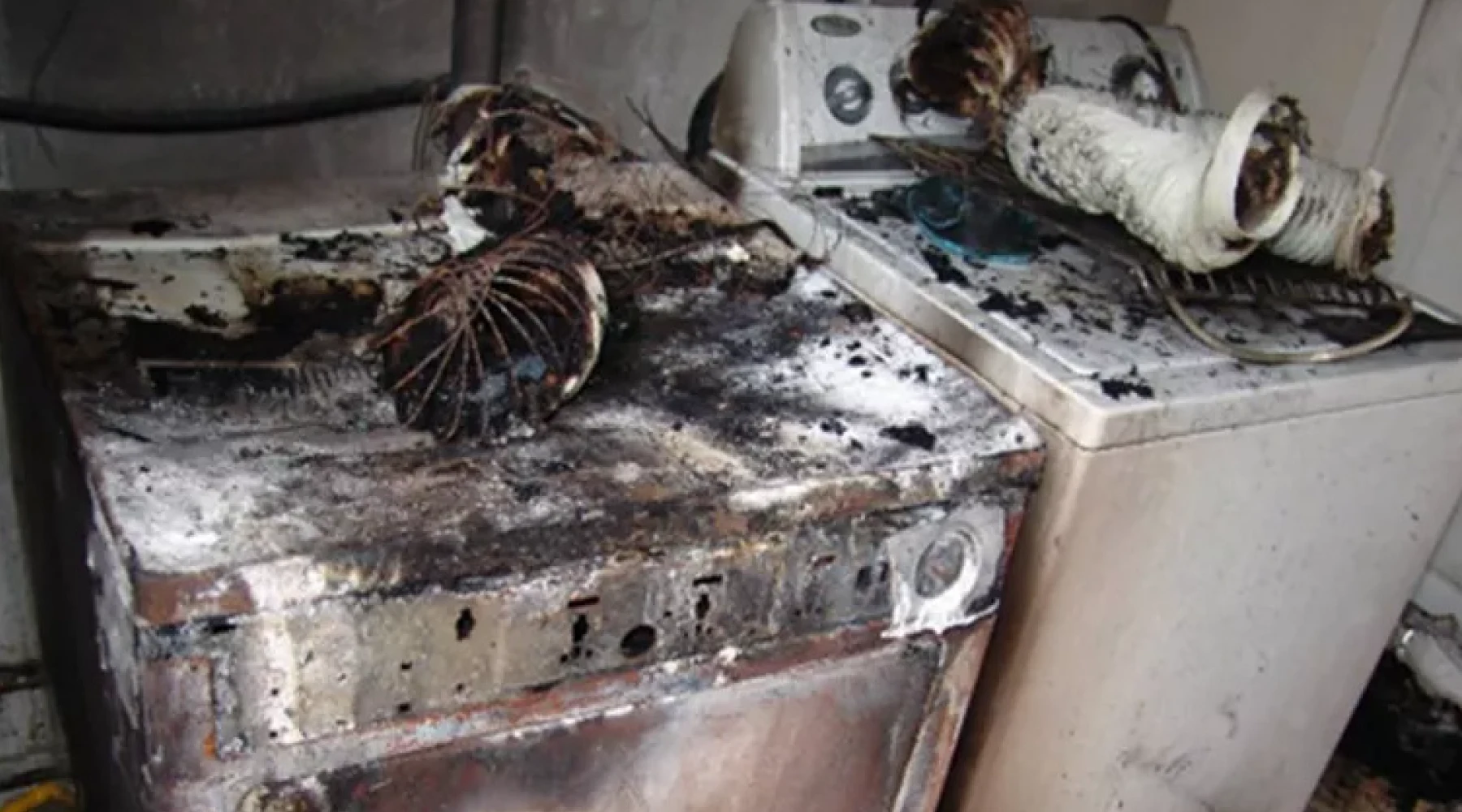
Modern house fires burn significantly faster and hotter than fires of past decades due to synthetic furnishings and lightweight building materials. A fire can become fully involved and unsurvivable in less than three minutes. A functioning smoke alarm provides immediate warning, buying critical time to exit safely.
Batteries and Power Failures Go Unnoticed
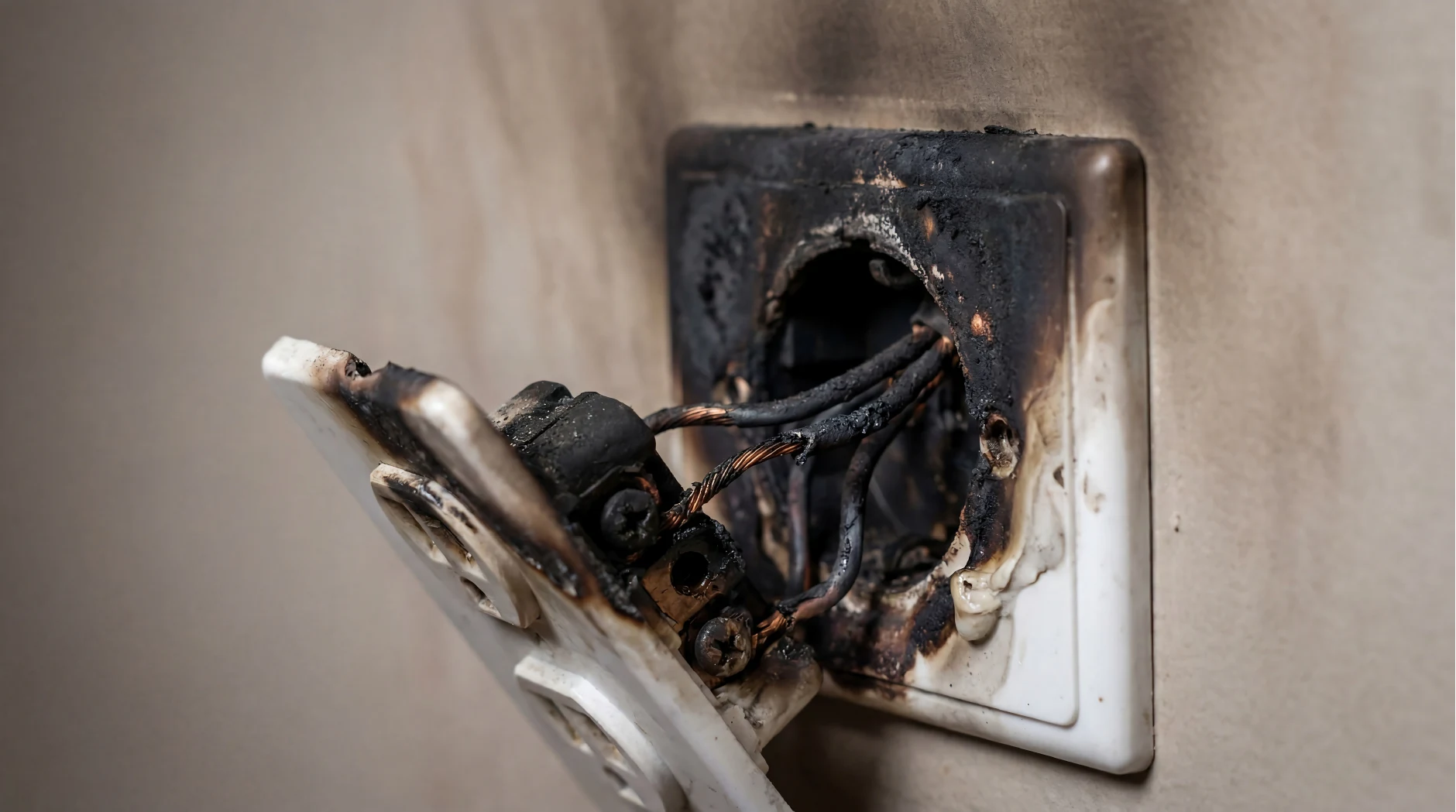
Smoke alarms fail most often due to missing, dead, or disconnected batteries. Even hardwired alarms rely on backup batteries in the event of an electrical outage. Without regular manual testing, a dead backup battery or loose electrical connection can go undetected until an emergency strikes.
Sensors Degrade and Collect Debris
Over time, dust, airborne cooking grease, insects, and pet hair accumulate inside the sensing chamber. This debris can desensitize the sensor or trigger frustrating false alarms that tempt homeowners to disable the unit. Testing confirms the sensor and siren circuitry remain fully operational.
Best Practices for Smoke Alarm Maintenance
-
Test Monthly: Press and hold the “Test” button until the siren sounds. If the beep is weak or silent, replace the battery immediately.
-
Replace Batteries Annually: For units with standard 9V batteries, change them once a year (or switch to 10-year sealed lithium-battery models).
-
Clean the Units: Gently vacuum the exterior vents twice a year using a brush attachment to clear dust and cobwebs.
-
Replace Alarms Every 10 Years: Smoke alarm sensors degrade over time. Check the manufacture date printed on the back and replace any unit older than a decade.