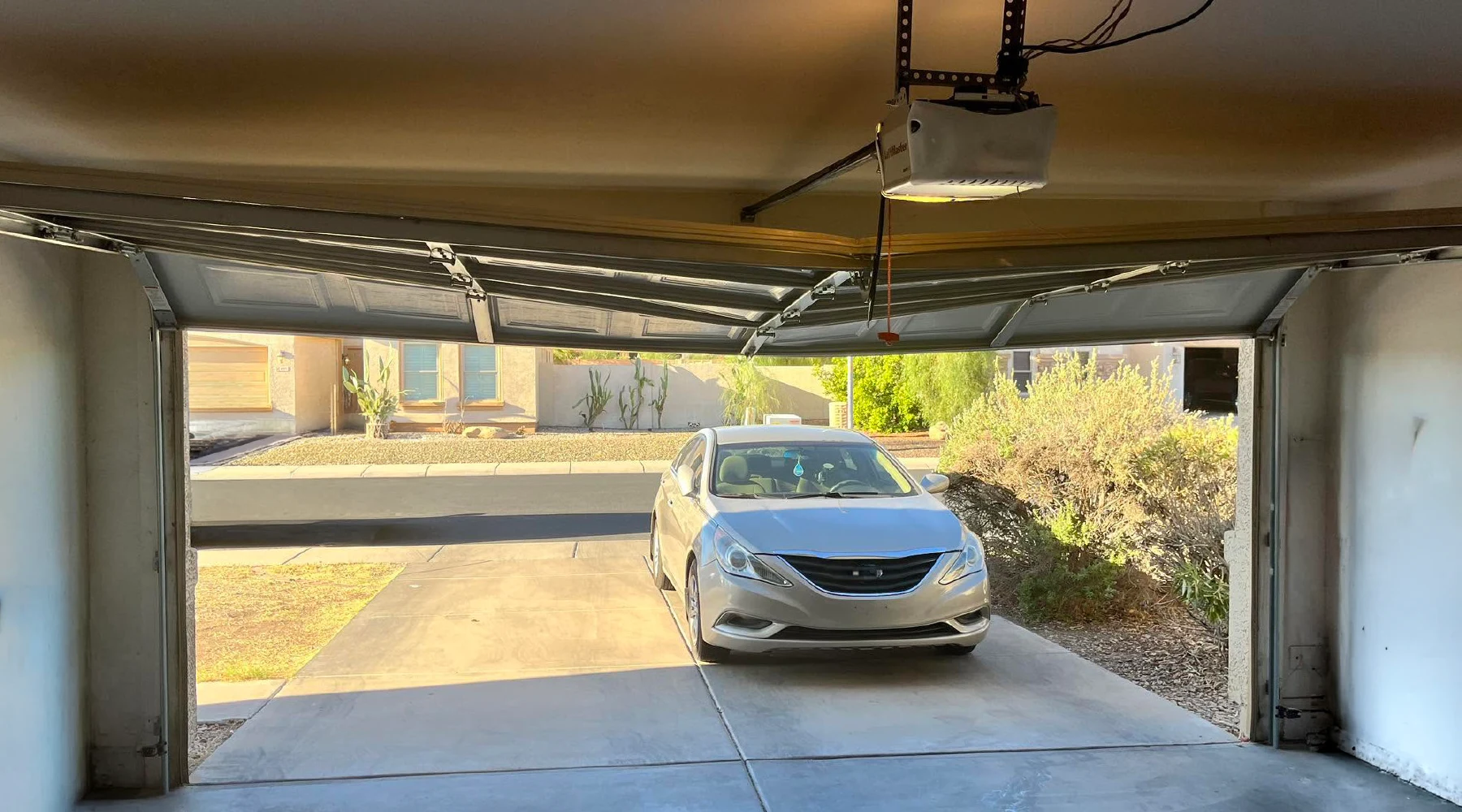
A garage door is typically the largest and heaviest moving object in a home. Operating hundreds of pounds of steel, wood, or composite panels under high spring tension, it functions as both a primary entryway and a critical mechanical system. Consistent maintenance prevents catastrophic mechanical failures, ensures household safety, and avoids costly emergency service calls.
-
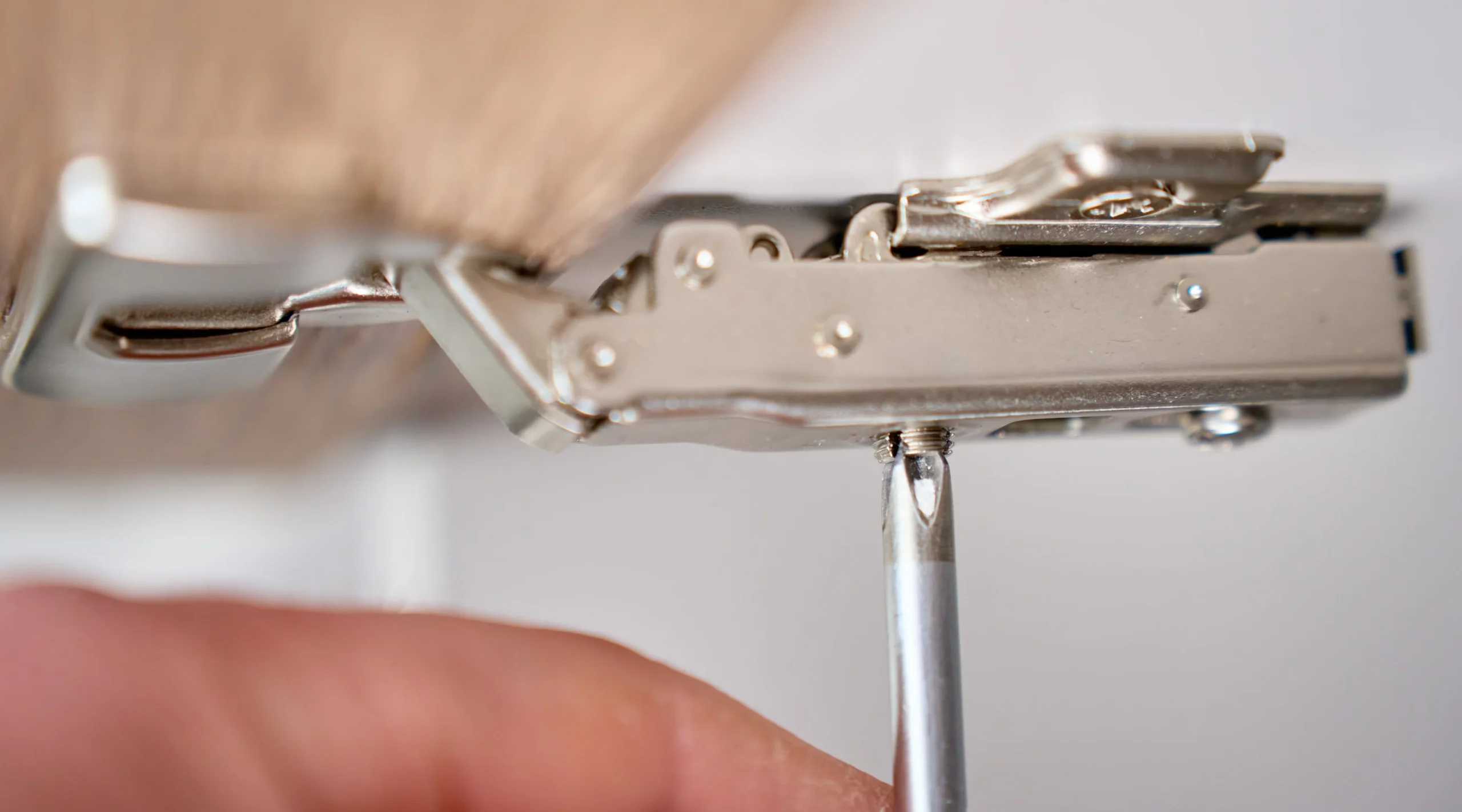
Preventing Sudden System Failures & Injuries: Torsion and extension springs operate under extreme mechanical tension to counterbalance the door’s weight. Over time, metal fatigue leads to spring failure. Routine inspections catch frayed lift cables, cracked hinges, or failing springs before a snapped component drops the door or causes severe injury.
-
Protecting the Opener Motor: When a garage door is properly balanced, it can be lifted effortlessly with one hand. If the door falls out of balance or the rollers bind in the tracks, the electric opener must pull excessive dead weight, leading to stripped drive gears, blown capacitors, and burned-out motors.
-
Ensuring Safety Sensor & Auto-Reverse Reliability: Modern garage doors rely on infrared safety eyes and mechanical auto-reverse mechanisms to detect obstructions. Vibrations can misalign optical sensors or desensitize the pressure limits, creating serious safety hazards for children, pets, and vehicles.
-
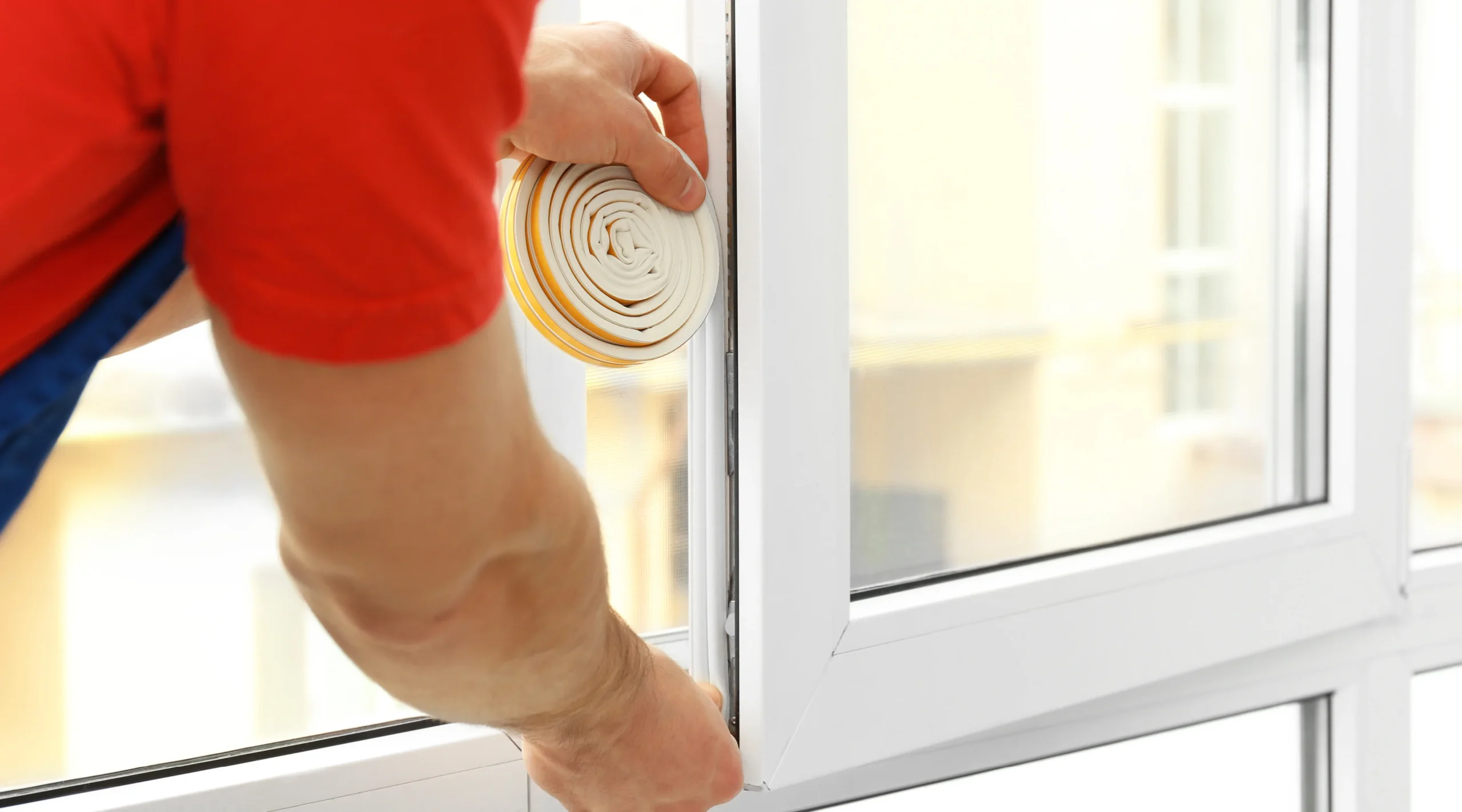
Preserving Energy Efficiency & Weather Sealing: The bottom rubber astragal seal and perimeter weatherstripping crack and flatten over time. Regular replacement keeps rainwater, debris, pests, and conditioned air from escaping, stabilizing temperature control in attached garages.
-
Eliminating Noise & Premature Wear: Metal-on-metal friction causes loud grinding, squealing, and rattling. Lubricating the bearings, rollers, hinges, and spring coils minimizes mechanical resistance and extends the service life of every moving component.