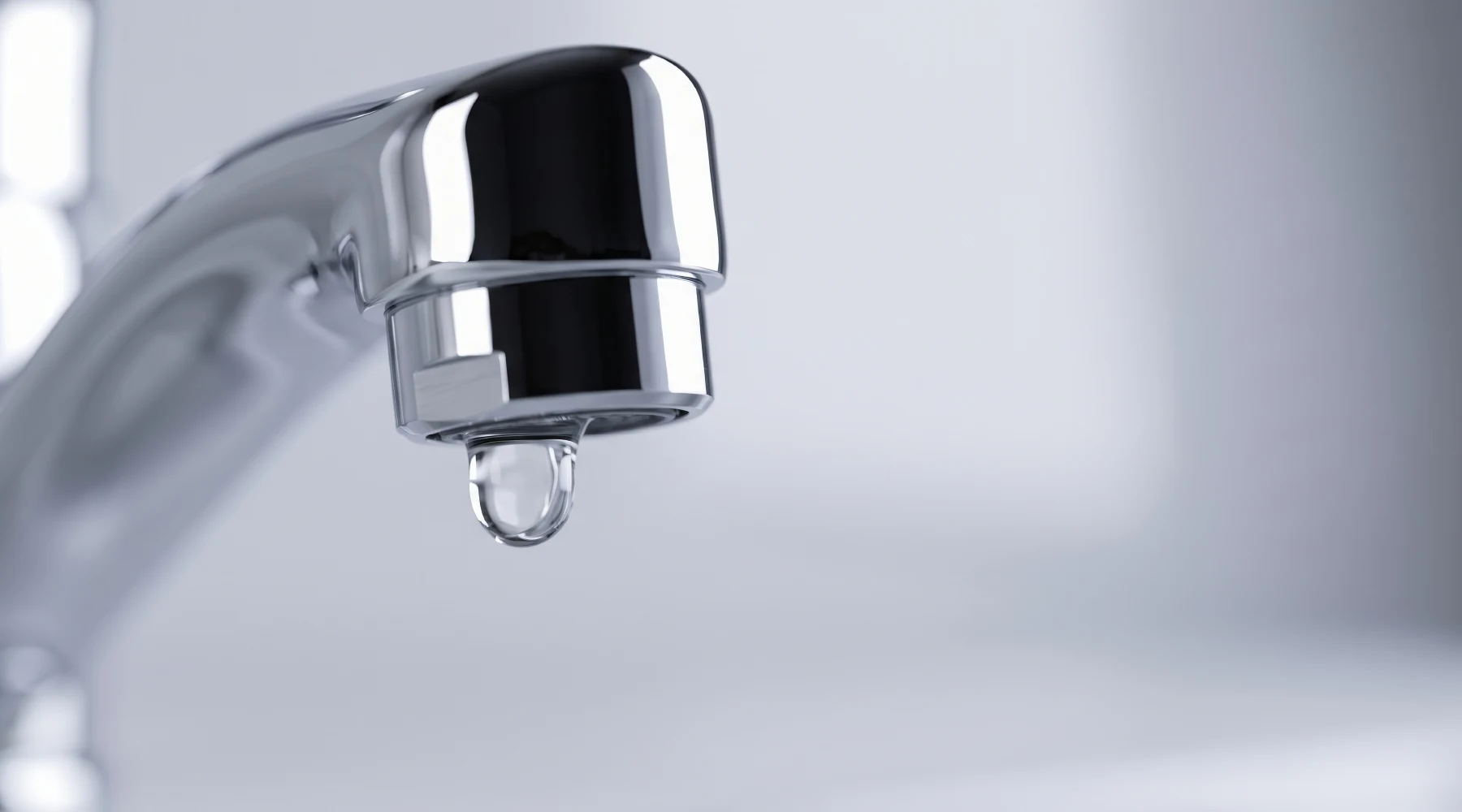
A dripping faucet or leaking toilet is often dismissed as a minor annoyance, but even a slow leak represents continuous water waste, structural risk, and unnecessary utility expense. Left unaddressed, a persistent drip escalates from a simple washer replacement into extensive plumbing and property damage.
-
Significant Water Waste: A faucet dripping at a rate of one drip per second wastes more than 3,000 gallons of water per year—equivalent to the water needed for more than 180 showers. Across a household, multiple slow leaks compound rapidly.
-
Inflated Utility Bills: Municipal water and sewer rates both increase with usage. When hot water lines leak, the financial impact doubles because your water heater continuously expends gas or electricity to replenish the heated supply.
-
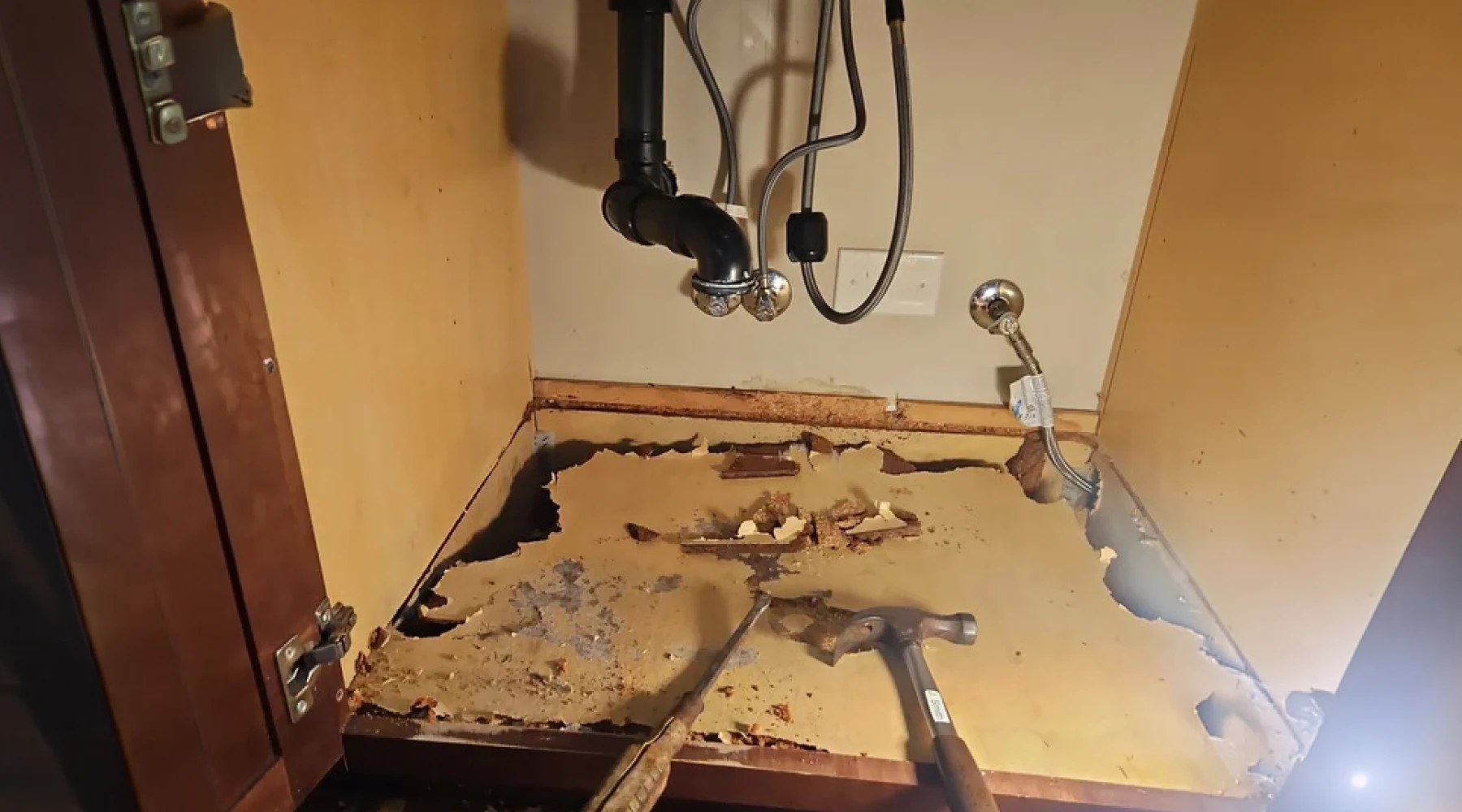
Hidden Structural & Cabinet Water Damage: Leaks don’t just happen at the spout. Worn O-rings or loose cartridge packings often seep water down around the base of the faucet and beneath the countertop. This moisture saturates vanity subfloors, rots wooden cabinetry, and weakens structural framing before it is visually detected.
-
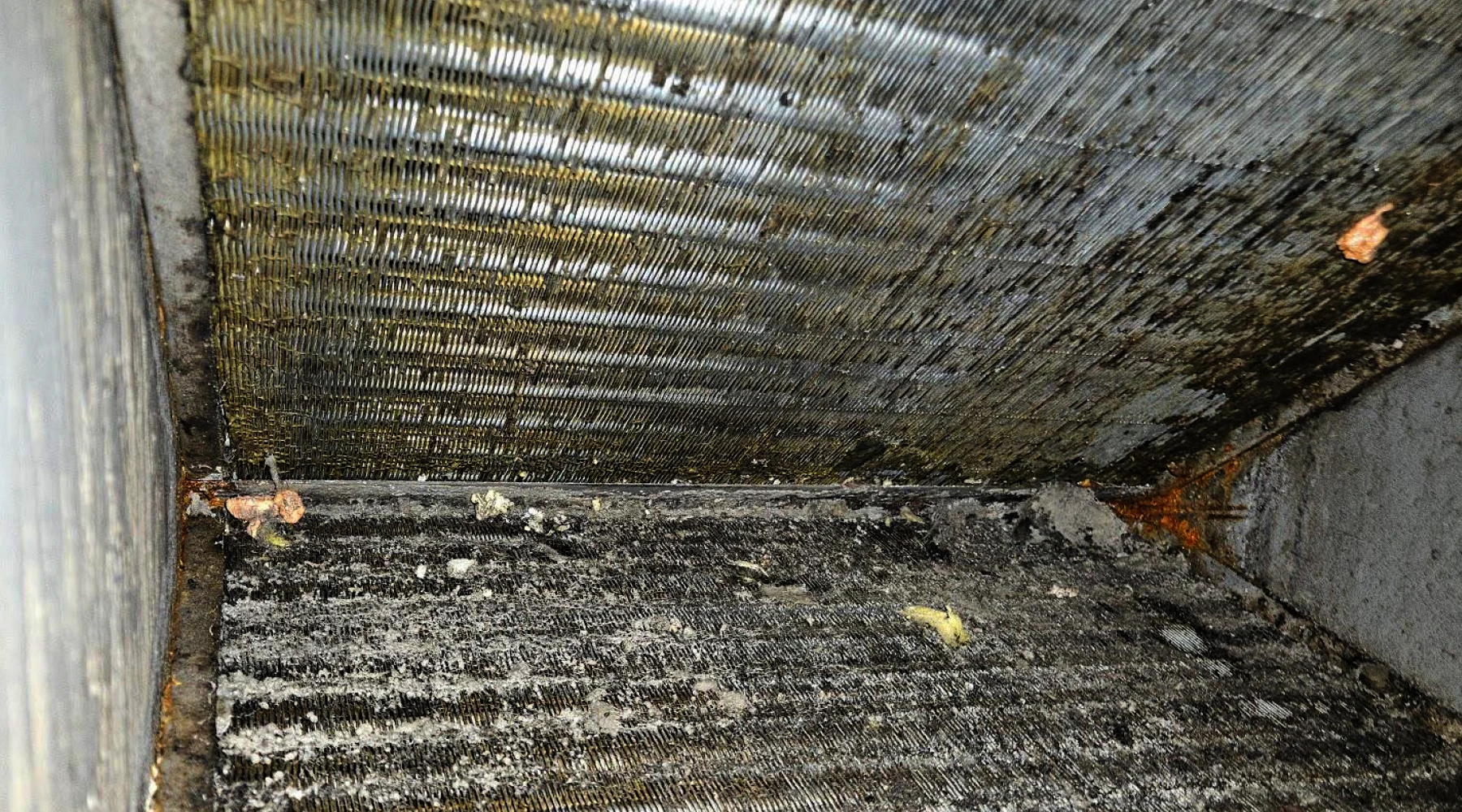
Mold, Mildew, and Indoor Air Hazards: Persistent moisture creates a prime breeding environment for mold and mildew behind walls and under sink cabinets. Mold spores spread through living areas, aggravating allergies, asthma, and respiratory issues.
-
Sink Fixture Degradation & Mineral Staining: Continuous water flow leaves hard water deposits, rust rings, and lime buildup around the sink bowl and drain rim. In hard water areas, minerals calcify inside the valve seat and aerator, permanently pitting chrome or matte finishes and requiring complete fixture replacement.
-
The Cumulative Cost of Leaks Over Time
| Drip Rate |
Daily Water Loss |
Annual Water Waste |
Typical Underlying Cause |
| 10 drips / minute |
~1 gallon |
~350 gallons |
Worn rubber washer or dried O-ring |
| 60 drips / minute (1/sec) |
~8.6 gallons |
~3,140 gallons |
Cracked ceramic disc cartridge or corroded valve seat |
| Steady trickle |
~20+ gallons |
~7,300+ gallons |
Failed internal stem assembly or excessive water pressure |