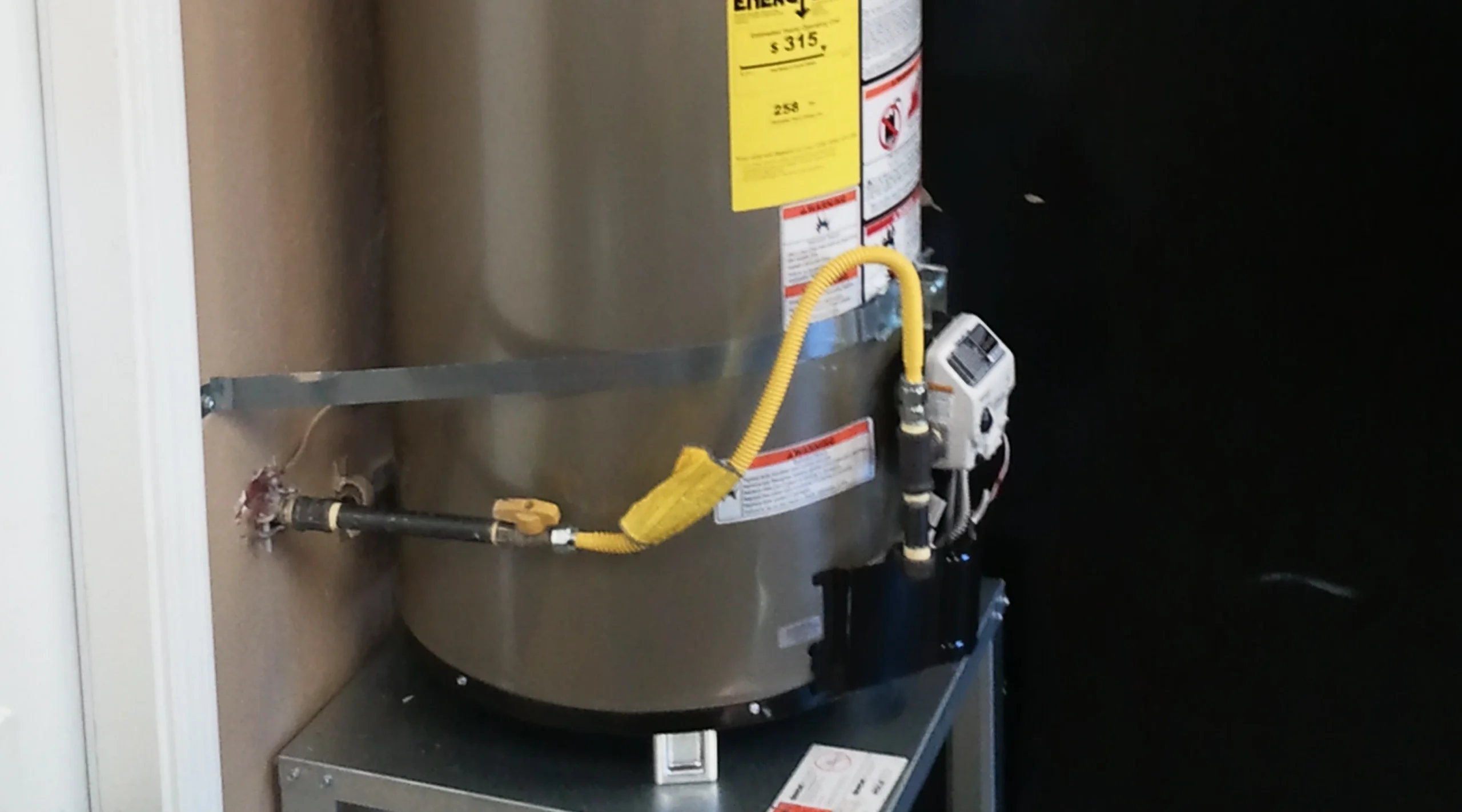
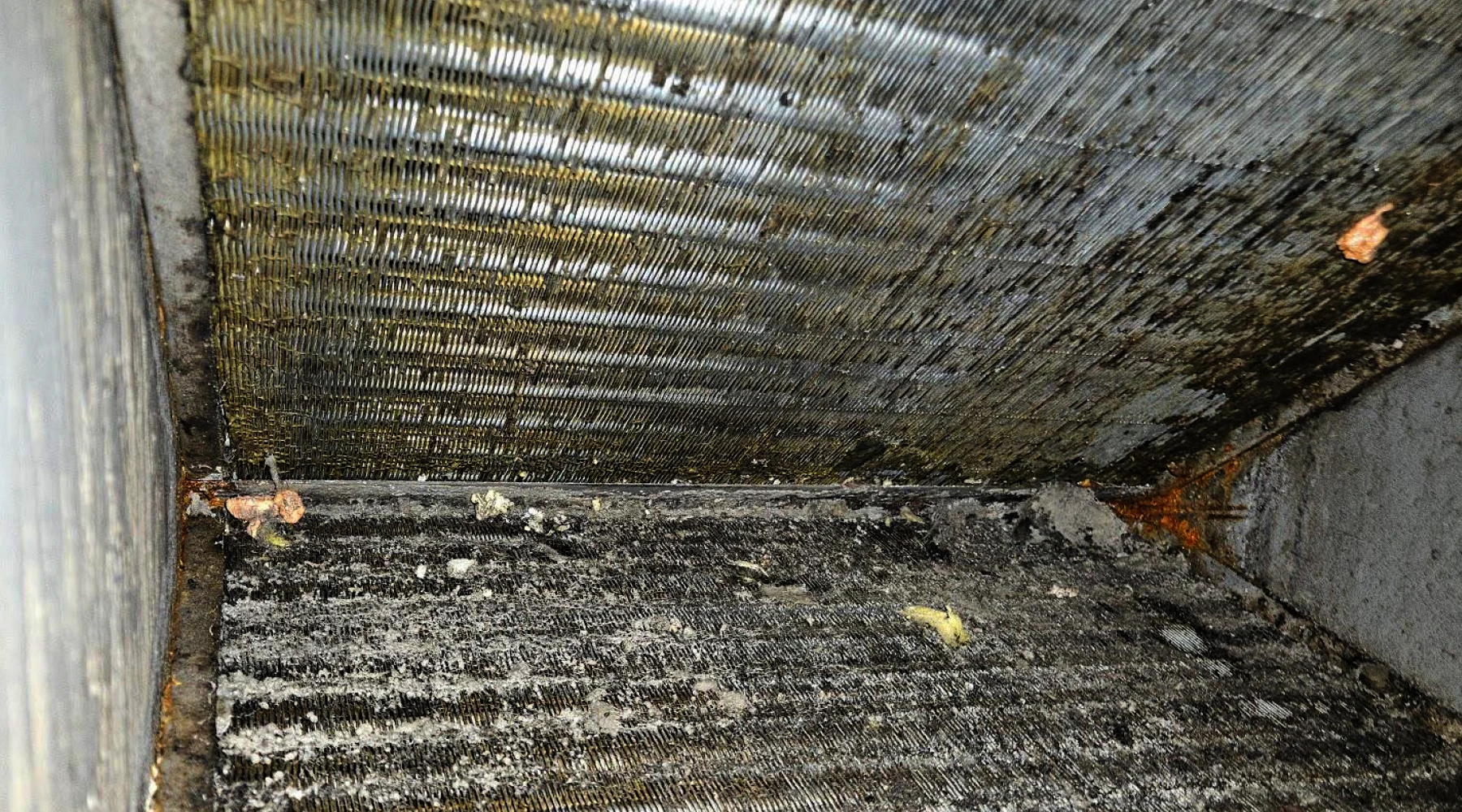
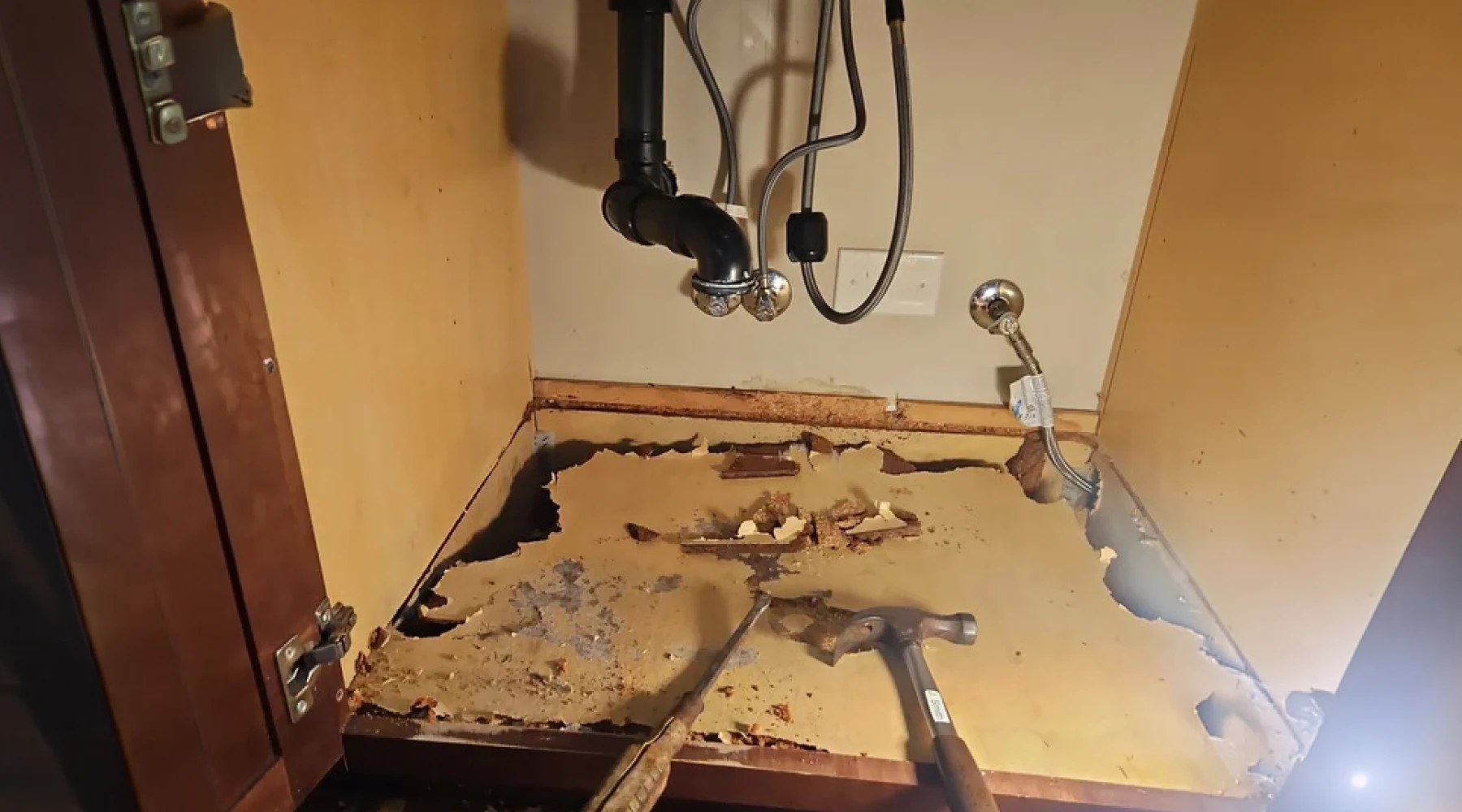
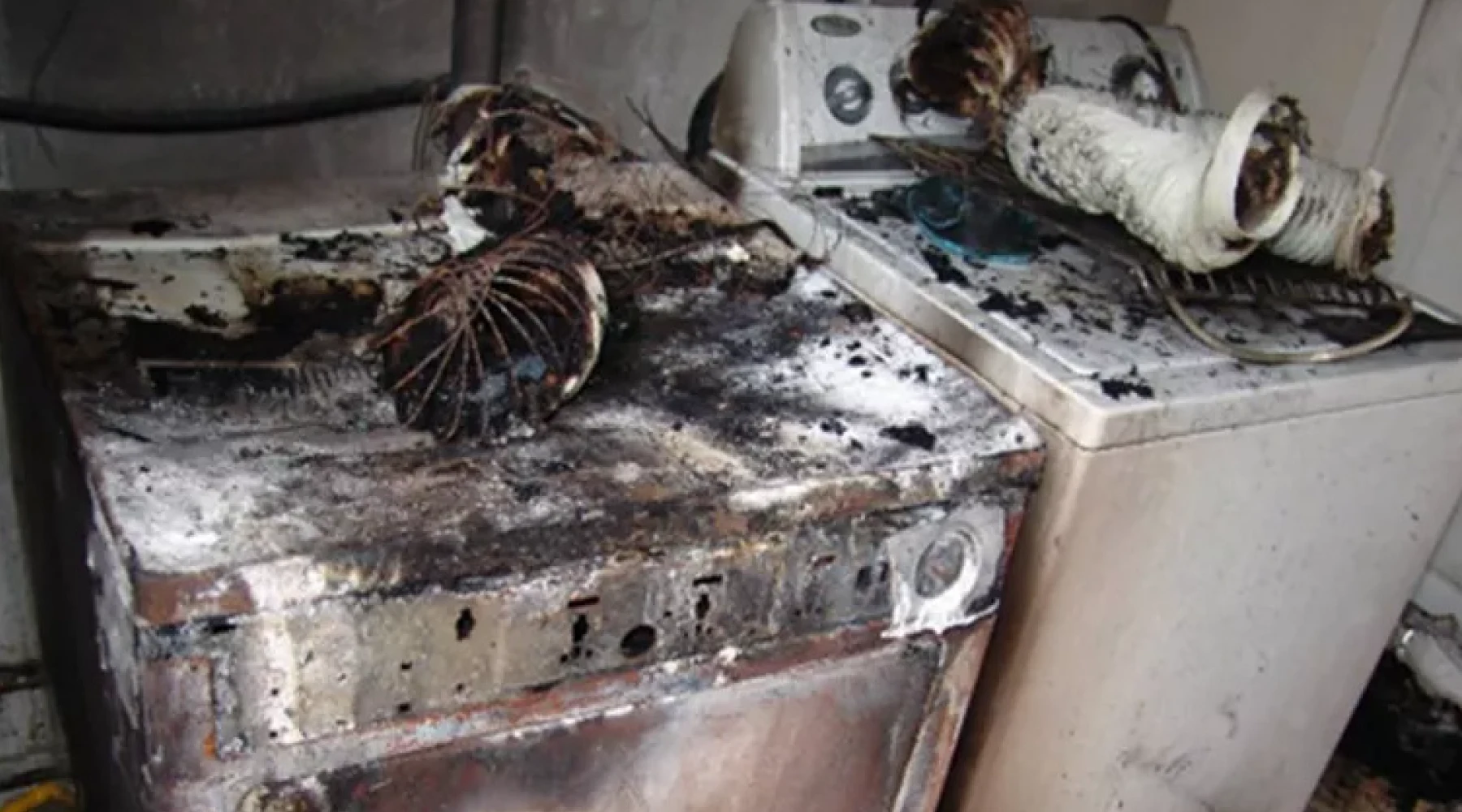
Municipal and well water supplies carry dissolved minerals like calcium and magnesium. As cold water is heated inside the tank, these minerals precipitate out of solution and settle as a calcified layer of sediment across the bottom. Flushing your water heater annually removes this buildup, protecting the tank from premature failure and preserving heating efficiency.
-
Restores Thermal Efficiency & Cuts Energy Costs: In gas water heaters, sediment forms an insulating barrier between the burner flame and the water. In electric models, it buries the lower heating element. This forces the unit to burn more gas or electricity for longer periods just to bring water to temperature, driving up monthly utility bills.
-
Eliminates Popping, Rumbling, and Kettle Noises: As water gets trapped beneath heavy sediment layers, it boils into steam bubbles that pop violently against the tank bottom. Flushing clears this compacted mineral bed, restoring quiet heating cycles.
-
Prevents Tank Overheating & Tank Ruptures: In gas units, the burner must fire hotter to penetrate sediment. This intense localized heat weakens the steel tank base and cracks its protective internal glass/porcelain lining. Once the lining fractures, corrosive water directly attacks the steel, causing leaks that require a total system replacement.
-
Maintains Hot Water Volume & Faster Recovery Times: Compacted sediment can displace several gallons of tank capacity, reducing the actual amount of usable hot water available for consecutive showers or laundry loads. Clearing the tank restores maximum volume and faster heat-recovery cycles.
-
Protects Downstream Fixtures and Valves: Loose sediment particles can enter the hot water distribution lines, clogging faucet aerators, shower cartridge valves, washing machine inlet screens, and the water heater’s own temperature and pressure relief (T&P) valve.